Read Related Article: Grocery Stores in Poland: Top Supermarkets & Deals
Discover the best grocery stores in Poland, from top supermarkets to discount chains. Compare prices, deals, store brands, and shopping tips.
Read More
.webp)
.webp)
Hawaii, a tropical paradise located in the Central Pacific, is renowned for its breathtaking natural beauty, including pristine beaches, lush rainforests, and dramatic volcanic landscapes. Comprising a chain of islands, each with its own distinct character, Hawaii offers a diverse range of experiences for visitors. The island of Oahu is home to the vibrant city of Honolulu and the historic Pearl Harbor, while Maui boasts stunning beaches and the scenic Hana Highway. The Big Island, known as Hawaii Island, features active volcanoes in Hawaii Volcanoes National Park and majestic waterfalls along the Hamakua Coast. Kauai, often called the "Garden Isle," enchants visitors with its verdant valleys and towering sea cliffs. With its unique blend of Polynesian culture, warm hospitality, and natural wonders, Hawaii offers an unforgettable escape for travelers seeking paradise.
.webp)
.webp)
.webp)
%2520(1).webp)
.webp)
.webp)
.webp)
.webp)
.webp)
.webp)
Nevada, located in the western United States, is renowned for its diverse landscapes, vibrant entertainment, and rich history. The state is most famous for Las Vegas, a global entertainment capital known for its bustling casinos, world-class shows, and vibrant nightlife. Beyond the glitz of Las Vegas, Nevada offers stunning natural beauty, including the rugged terrain of the Mojave Desert, the alpine scenery of Lake Tahoe, and the striking rock formations of Red Rock Canyon and Valley of Fire State Park. The state capital, Carson City, along with historic towns like Virginia City, reflect Nevada's storied past rooted in the mining boom of the 19th century. With its blend of high-energy urban centers, expansive deserts, and scenic mountains, Nevada provides a unique and captivating experience for residents and visitors alike.
.webp)
.webp)
.webp)
.webp)
.webp)
.webp)
.webp)
.webp)
.webp)
.webp)
Florida, situated in the southeastern United States, is renowned for its sunny weather, sandy beaches, and vibrant culture. The state is home to world-famous tourist destinations like Walt Disney World Resort in Orlando, the Everglades National Park, and the vibrant art deco architecture of Miami Beach. With its diverse population, Florida boasts a rich cultural tapestry influenced by Latin American, Caribbean, and Southern traditions. Its economy is driven by industries such as tourism, agriculture, aerospace, and technology. Florida's natural beauty, outdoor recreational opportunities, and lively entertainment scene make it a popular destination for residents and visitors seeking fun in the sun.
.webp)
.webp)
.webp)
.webp)
.webp)
.webp)
.webp)
.webp)
.webp)
.webp)
Norway is one of the most expensive countries in the world to shop in, so picking the right souvenirs matters. The best ones are things Norwegians actually use: wool knitwear, brown cheese, Freia chocolate, silver jewelry, and practical everyday tools. This guide covers what to buy, how much to expect to pay, how to spot the real thing, and the best places to shop in Oslo, Bergen, and Røros.
Quick answer: The most popular souvenirs from Norway are Norwegian wool sweaters, brunost (brown cheese), Freia chocolate, smoked salmon, aquavit, sølje silver brooches, Sámi handicrafts, and troll figurines. The best places to buy them are Husfliden and Bryggen Husflid for crafts and knitwear, Bergen's Fish Market for food gifts, Karl Johans gate in Oslo for one-stop souvenir shopping, and the UNESCO town of Røros for wool blankets and seasonal markets.
All prices are approximate and based on an exchange rate of about NOK 10.5 = USD 1. Rates change, so check before you travel.
Norwegian wool sweater.
This is the souvenir most visitors come home with, and a good one lasts for decades. Two patterns are worth knowing. The Marius sweater, with its red, white, and blue bands, dates from the 1950s and is named after skier and actor Marius Eriksen. The Selbu rose, an eight-pointed star from the village of Selbu, appears on everything from mittens to full sweaters. Many cheap sweaters in tourist shops are imported, so look for a "Made in Norway" label or established brands like Dale of Norway and Oleana. Hand-knitted pieces sit at the top of the price range.
Røros Tweed blanket.
Woven in the mining town of Røros since 1940, these blankets are a staple of Scandinavian interior design, known for their simple patterns and long life.
Reindeer hide.
Soft and striking as a throw or rug, reindeer hides are a by-product of Sámi herding. They shed a little over time, so ask whether a hide is tanned for indoor use.
Brunost (brown cheese).
Sweet and caramel-like, brunost is made by boiling whey until the milk sugars caramelize. The most popular kind is Gudbrandsdalsost by TINE, recognizable by its red packaging. A block costs a fraction of the souvenir-shop price at ordinary supermarkets like Rema 1000, Kiwi, or Meny.
Ostehøvel (cheese slicer).
Brunost is sliced paper-thin with a tool Norway invented. Thor Bjørklund patented the cheese slicer in 1925, and it's still in nearly every Norwegian kitchen, making it a practical, lightweight souvenir with a real story.
Freia chocolate and Kvikk Lunsj.
Freia has been Norway's favorite chocolate maker for over a century, and its Melkesjokolade is the classic bar. Kvikk Lunsj, a wafer bar similar to a KitKat, is so tied to hiking and Easter ski trips that its wrapper often prints the Norwegian mountain safety code, fjellvettreglene.
Smoked salmon.
Norway is the world's largest producer of farmed Atlantic salmon, and vacuum-sealed smoked salmon is one of the easiest edible gifts to pack.
Aquavit.
Norway's national spirit is distilled from potatoes and flavored with caraway or dill. The best-known brand, Linie Aquavit, is aged in oak casks on ships that cross the equator twice, and each label lists the vessel and voyage dates. Strong alcohol is only sold at state-run Vinmonopolet stores, which close early on Saturdays and stay closed on Sundays, or at airport duty-free.
Sølje.
This silver brooch is worn with the bunad, Norway's folk costume, and its dangling discs were once believed to ward off evil. It remains a common christening and confirmation gift, and smaller sølje-style pendants and earrings make elegant, packable souvenirs.
Sámi handicrafts (duodji).
The Sámi, Norway's Indigenous people, create antler-handled knives, woven bands, leatherwork, and silver jewelry. These are among the most meaningful souvenirs from northern Norway, especially Tromsø and Finnmark. Look for the "Sámi Duodji" label, which certifies the piece was made by a Sámi artisan, since many "Sámi-style" goods are not.
Rosemaling.
This folk art of swirling flowers and scrolls was painted on bowls, chests, and walls in rural homes from the 1700s onward, with distinct regional styles such as Telemark and Hallingdal. Small boxes and plates are affordable; large hand-painted pieces are an investment.
Trolls.
Rooted in Norwegian folklore, troll figurines are inexpensive and great for kids. Handmade versions in wood, wool, or fur have far more character than mass-produced resin ones.
Norwegians take friluftsliv, or outdoor living, seriously, and brands like Helly Hansen, Norrøna, Devold, and Bergans are all homegrown. A wool hat (about NOK 300–600 / USD 29–57) or a merino base layer (about NOK 800–1,500 / USD 76–143) makes a souvenir that will actually get used.

Discover the best grocery stores in Poland, from top supermarkets to discount chains. Compare prices, deals, store brands, and shopping tips.
Read MoreHusfliden grew out of the Norwegian Handicraft Association, founded in 1891 to keep traditional crafts alive. It's where Norwegians come for bunads, which can cost upward of NOK 50,000 (about USD 4,700), and that level of craftsmanship carries over to the rest of the shop. Visitors will find Norwegian yarns like Rauma and Hillesvåg that are hard to buy abroad (around NOK 70–150 / USD 7–14 per skein), wool sweaters, textiles, kitchenware, and sølje jewelry. Knitters should plan extra time here. Not everything is made in Norway, as some stock comes from Sweden and other Nordic countries, so check labels. The Bergen store sits in the city center and may limit how many shoppers enter at once during busy periods.
Bryggen, the row of leaning, colorful wooden buildings on Bergen's harbor, was once the trading base of the Hanseatic League's German merchants and has been a UNESCO World Heritage Site since 1979. Shopping here means browsing inside centuries-old timber buildings connected by narrow wooden passageways.
Among the many shops on the wharf, Bryggen Husflid stands out for knitwear. It's larger than it looks from outside and carries several sweater brands, including hand-knitted pieces, plus hats, scarves, blankets, table runners, and reindeer hides. Shoppers consistently say its prices beat its neighbors, with magnets starting at NOK 49 compared to around NOK 89 elsewhere on the wharf. What really sets it apart is the service: staff are multilingual, and customers have exchanged sweaters by email weeks after returning home. Visit in the morning before cruise groups arrive, and look for the shop along the waterfront itself, as some map pins have been reported slightly off.
Fish has been traded on this harbor since the 1200s. The market now combines seasonal outdoor stalls, busiest from spring to early autumn, with a year-round indoor hall in the Mathallen building, just a few minutes' walk from Bryggen. It's the place to pick up smoked salmon, caviar, and reindeer sausages, and to sit down for Bergen fish soup (about NOK 150–220 / USD 14–21).
Expect tourist pricing. The outdoor stalls are generally cheaper than the indoor sit-down restaurants, and tap-to-pay cards are preferred. Restrooms are limited, with the nearest paid toilets upstairs at the visitor information center. In August, arrive early or late to find a seat.
Oslo's main pedestrian street runs about 1.5 km from Oslo Central Station to the Royal Palace, past the Parliament, the National Theatre, and the University of Oslo, roughly a 15–20 minute walk without stops. The station end is packed with souvenir shops selling trolls, Viking-themed gifts, magnets, and sweaters, while the stretch toward the palace holds department stores and international brands. Stop at the Freia shop for chocolate gift boxes in retro packaging.
The street is at its best in winter. From late November through the holidays, the area around Spikersuppa near Parliament becomes a Christmas market with a skating rink, Ferris wheel, carousel, and food stalls. Shops near the station charge tourist prices, so compare before buying and save edible gifts for a supermarket.
Røros, a former copper-mining town a few hours from Trondheim, has been a UNESCO World Heritage Site since 1980, and its old wooden streets work as one big shopping and sightseeing stop. Look for Røros Tweed blankets, copper goods that reflect the mining past, and local dairy and food products.
The town's landmark is Røros Church, built in 1784 during the mining boom. Seating around 1,600 people, it's one of Norway's largest churches and is ranked by the national heritage authority among the ten most important in the country. The wooden interior is painted to look like stone, and the church served as a polling place in Norway's first general election in 1814. Entry costs about NOK 60 (USD 6), children enter free, and a guided tour through Røros Museum costs around NOK 130 (USD 12) including church entry. Opening hours are limited and seasonal, so check ahead.
Time your visit for early December's Røros Christmas Market or February's Rørosmartnan, a winter market held since 1854, for handicrafts, furs, and food in a snowy setting.
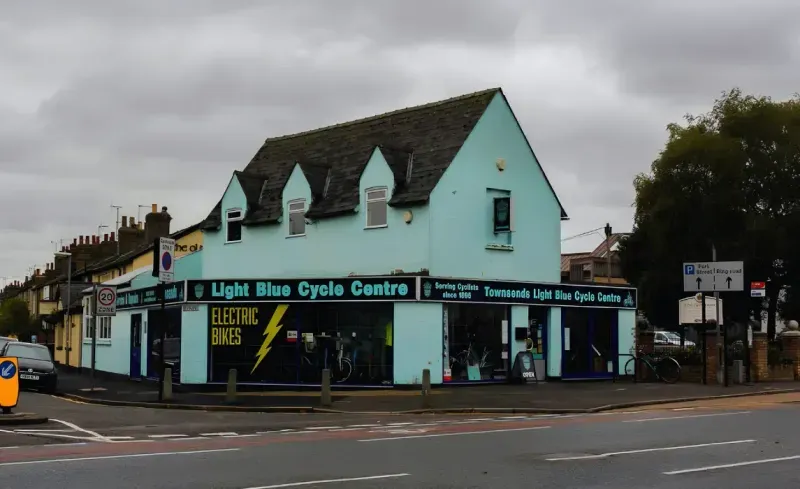
Read customer experiences from Cambridge bike shops, comparing service, repairs, prices, staff, and what cyclists actually experienced.
Read MoreVisitors who live outside the EU/EEA can claim a partial VAT refund on purchases over about NOK 315 in a single store. Ask for a tax-free form at checkout, bring your passport, and keep items unused until you leave Norway.
Supermarkets are the cheapest source for food gifts like brunost, chocolate, and snacks, often at half the price of souvenir shops. For knitwear and handicrafts, checking labels protects you from paying Norwegian prices for imported goods.
Sealed smoked salmon is generally allowed for personal use in most countries, but dairy and meat products, including brunost and reindeer sausages, are often restricted, so check your home country's customs rules before packing them. Whale products, sold at some Bergen stalls, are illegal to import into the United States, the European Union, and many other countries. Reindeer hides may also face import rules depending on your destination.
The Norwegian wool sweater is the most iconic souvenir, especially designs with the Marius or Selbu rose pattern. For something affordable, brunost and Freia chocolate are the most popular food gifts.
Brown cheese with a cheese slicer, a silver sølje brooch, or a Røros Tweed blanket are all gifts Norwegians themselves give and use.
Karl Johans gate has the widest choice of souvenir shops, while Husfliden is the best option for authentic handicrafts and quality knitwear.
Bryggen Husflid on the historic wharf is known for knitwear and fair prices, and the Bergen Fish Market is ideal for edible souvenirs like smoked salmon.
Expect to pay about NOK 1,500–4,500 (USD 140–430) for a quality machine-knit sweater, and more for hand-knitted ones.
Yes, compared to most countries. Buying food gifts at supermarkets and claiming a tax-free refund on larger purchases can reduce costs significantly.
Check for "Made in Norway" labels on knitwear and handicrafts, buy from established shops like Husfliden, and look for the "Sámi Duodji" label on Sámi crafts.