Read Related Article: A Knitter's Guide to Portugal: 5 Yarn Stores Worth the Trip
Discover Portugal's best yarn stores for knitters, from Porto to Lisbon. Find local wool, unique fibers, and charming shops worth adding to your trip.
Read More
.webp)
Hawaii, a tropical paradise located in the Central Pacific, is renowned for its breathtaking natural beauty, including pristine beaches, lush rainforests, and dramatic volcanic landscapes. Comprising a chain of islands, each with its own distinct character, Hawaii offers a diverse range of experiences for visitors. The island of Oahu is home to the vibrant city of Honolulu and the historic Pearl Harbor, while Maui boasts stunning beaches and the scenic Hana Highway. The Big Island, known as Hawaii Island, features active volcanoes in Hawaii Volcanoes National Park and majestic waterfalls along the Hamakua Coast. Kauai, often called the "Garden Isle," enchants visitors with its verdant valleys and towering sea cliffs. With its unique blend of Polynesian culture, warm hospitality, and natural wonders, Hawaii offers an unforgettable escape for travelers seeking paradise.
.webp)
.webp)
.webp)
%2520(1).webp)
.webp)
.webp)
.webp)
.webp)
.webp)
.webp)
Nevada, located in the western United States, is renowned for its diverse landscapes, vibrant entertainment, and rich history. The state is most famous for Las Vegas, a global entertainment capital known for its bustling casinos, world-class shows, and vibrant nightlife. Beyond the glitz of Las Vegas, Nevada offers stunning natural beauty, including the rugged terrain of the Mojave Desert, the alpine scenery of Lake Tahoe, and the striking rock formations of Red Rock Canyon and Valley of Fire State Park. The state capital, Carson City, along with historic towns like Virginia City, reflect Nevada's storied past rooted in the mining boom of the 19th century. With its blend of high-energy urban centers, expansive deserts, and scenic mountains, Nevada provides a unique and captivating experience for residents and visitors alike.
.webp)
.webp)
.webp)
.webp)
.webp)
.webp)
.webp)
.webp)
.webp)
.webp)
Florida, situated in the southeastern United States, is renowned for its sunny weather, sandy beaches, and vibrant culture. The state is home to world-famous tourist destinations like Walt Disney World Resort in Orlando, the Everglades National Park, and the vibrant art deco architecture of Miami Beach. With its diverse population, Florida boasts a rich cultural tapestry influenced by Latin American, Caribbean, and Southern traditions. Its economy is driven by industries such as tourism, agriculture, aerospace, and technology. Florida's natural beauty, outdoor recreational opportunities, and lively entertainment scene make it a popular destination for residents and visitors seeking fun in the sun.
.webp)
.webp)
.webp)
.webp)
.webp)
.webp)
.webp)
.webp)
.webp)
.webp)
Toronto's mall scene is a lot more varied than most visitors expect. Downtown, you've got a glass-domed shopping cathedral connected straight to the subway. A short drive out, there are outdoor outlet centers built for a full day of browsing, and neighborhood malls that function more like community hubs than retail destinations. None of them offer quite the same experience, and knowing that upfront saves you a wasted trip, showing up at a discount-anchored neighborhood mall expecting a luxury shopping day, or heading to an open-air outlet center in the middle of a January snowstorm, are two of the most common mismatches visitors make.
This guide walks through seven of the city's most talked-about shopping centers, three enclosed malls (Eaton Centre, Dufferin Mall, Gerrard Square), two open-air plazas (Toronto Premium Outlets, Stock Yards Village), one boutique-style shopping village (Yorkville Village), and one big-box power center (SmartCentres Toronto), covering what's actually inside each one, what to expect price-wise, and what makes each one worth (or not worth) the trip.
Before diving into specifics, it helps to match the mall to what you're actually shopping for. If you want a landmark experience with luxury brands, big-name retailers, and a "must-see" downtown feel, the Eaton Centre is the obvious pick, it's central, subway-connected, and busy almost every day of the week, making it the easiest single stop for visitors who want both sightseeing and shopping in one trip. If your goal is finding deals on recognizable brands without paying full retail, an outlet center like Toronto Premium Outlets is the better bet, though it rewards weekday visits over weekend ones and is really only practical if you have a car, since it sits well outside the downtown core.
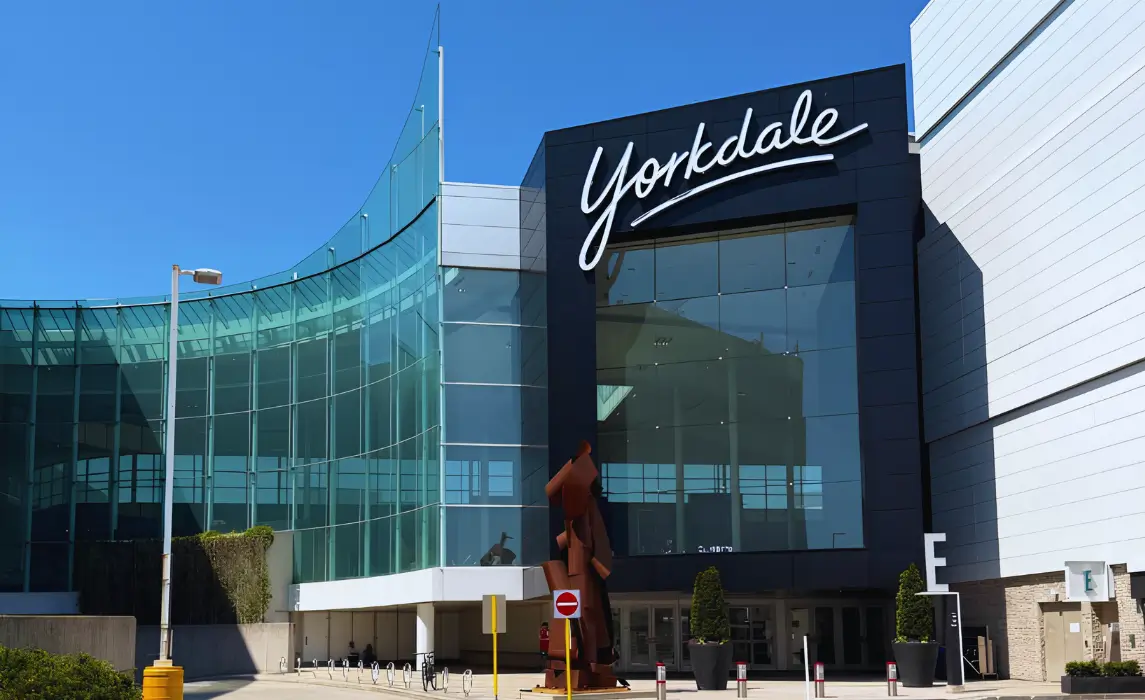
For everyday errands, groceries, pharmacy, big-box basics, a neighborhood mall like Gerrard Square, Dufferin Mall, or one of the SmartCentres locations will get the job done faster and with less crowd navigation; these are the malls locals actually use week to week rather than the ones featured on a tourist itinerary. And if you're after a quieter, more upscale browsing experience with boutique shops and cafés rather than chain stores, Yorkville Village stands apart from every other option on this list, though it comes with a noticeably higher price point to match.
One more thing worth knowing before you go: several of these malls are directly connected to Toronto's subway or PATH underground walkway system, which matters a lot in winter, it's the difference between a five-minute stroll and a genuinely unpleasant walk through snow and wind. The open-air options (Toronto Premium Outlets, Stock Yards Village) don't have that advantage, so factor the season into your choice if the weather could be a factor, and consider parking access too, downtown options like the Eaton Centre are easiest without a car, while the outlet centers and big-box plazas are built around driving in.
Discover Portugal's best yarn stores for knitters, from Porto to Lisbon. Find local wool, unique fibers, and charming shops worth adding to your trip.
Read MoreThe Eaton Centre is the mall most visitors picture when they think of shopping in Toronto, and it earns that reputation. The building itself is part of the draw, a long glass-roofed galleria stretching between Queen Street and Dundas Street, with Michael Snow's "Flight Stop" geese sculptures suspended overhead, and connected directly to two subway stations (Queen and Dundas) plus the underground PATH network, so you can reach it without ever stepping outside in bad weather. It's also a short walk from Yonge-Dundas Square, which comes alive at night with billboards, live performances, and enough energy that visitors regularly compare it to Times Square in New York.
Inside, the retail mix spans from luxury names to everyday staples across three main levels, including a large Indigo bookstore visible as soon as you enter from the Queen Street subway entrance, a Saks Food Hall, and a broad food court for something quicker. During the holidays, a massive lit-up Christmas tree with a timed light and snow-effect show becomes something of an event in itself, drawing crowds who come specifically to watch it rather than to shop, worth timing your visit around if you're there in December.
Price idea: Expect standard mall pricing across most retailers, a casual outfit from a mid-range store typically runs CAD $60–$150 (about USD $44–$110), while food court meals average CAD $12–$18 (about USD $9–$13), and a sit-down meal at the Saks Food Hall tends to run closer to CAD $20–$35 (about USD $15–$26) per person.
What sets it apart: No other mall in the city matches its combination of scale, architecture, and transit access, it's genuinely rare to find a shopping center where the building itself (the glass ceiling, the geese installation) is as much of a draw as the stores inside it, and its direct link to the surrounding PATH network means you can connect to dozens of other downtown buildings without ever going outside.
Good to know before you go: It gets genuinely crowded, especially on weekends, and first-time visitors sometimes find the multi-level layout a little disorienting when trying to locate a specific exit, the help desk near the main entrances is worth using if you're lost. The washrooms are a recurring complaint in visitor feedback, so plan around that if it matters to you, and know that dining options, while plentiful, skew toward quick-service rather than sit-down variety.
Dufferin Mall has a reputation that's shifted a lot over the years, older reviews reference a rougher, run-down version of the mall (some longtime locals still call it "Dirty Duff"), while more recent visitors describe a genuine turnaround, with newer additions like Sephora, JD Sports, Banana Republic, Tommy Hilfiger, and Miniso joining longtime anchors Walmart, No Frills, H&M, and Winners. The mall's ownership is reportedly linked to the same group behind Yorkdale, which several regulars point to as the reason for the recent wave of upgrades.
It's a practical, one-stop mall rather than a destination in itself: groceries, discount fashion, and everyday basics are the main draw, and it's a five-to-eight-minute walk from Dufferin subway station, which makes it easy to fold into a regular errand run rather than a planned shopping trip. The mall is laid out in a single-storey, L-shaped design, so despite looking sizeable from outside, it's actually easy to walk end to end in under twenty minutes if you're not stopping to browse.
Price idea: Because Winners, Marshalls, and Walmart anchor the mall, expect discount-retail pricing throughout, clothing basics typically run CAD $10–$40 (about USD $7–$29), and a full Walmart grocery run for a household averages CAD $80–$150 (about USD $58–$110) per visit. The on-site Walmart also includes a full grocery section and an in-store McDonald's, which is worth knowing if you're planning to combine a shop with a quick meal.
What sets it apart: Few malls in Toronto combine a full-service Walmart (with its own grocery section) directly alongside discount fashion outlets the way this one does, which makes it unusually efficient for combining a grocery run with a clothing stop in a single visit, a genuine time-saver compared to malls that split groceries and retail across separate trips.
Good to know before you go: Feedback on cleanliness and upkeep is mixed depending on when you visit, some describe it as noticeably improved in recent years, with newer waste-sorting stations installed in the food court, while others point to worn restrooms, unclear signage between the mall's multiple entrances, and inconsistent maintenance. Parking can also be tight during peak hours, since both street parking (on Dufferin St. and Croatia St.) and the mall's free underground lot fill up quickly, so arriving earlier in the day tends to make for a smoother visit. Note that some older specialty stores, a former Toys R Us and several jewelry and luggage shops among them, have closed in recent years, so it's worth checking current store listings if you're after something specific rather than assuming.
Discover the best Myanmar souvenirs, from handmade lacquerware and longyi to jade jewelry and Burmese tea. Find 10 unique gifts worth bringing home.
Read MoreYorkville Village is the outlier on this list, and intentionally so. It's a smaller, upscale shopping venue in the heart of Toronto's Yorkville neighborhood, built around boutique fashion, specialty shops, and a well-regarded Whole Foods on the lower level, rather than the big-box anchors found at most other malls in the city. The area around it hosts occasional cultural events too, including a murals festival that spills both indoors and outdoors through the surrounding streets, drawing visitors who come purely for the art rather than the shopping.
The atmosphere is the real selling point here, an open, naturally lit layout, rotating art installations in the central area, live musicians during the holiday season, and a noticeably quieter, less rushed pace than a typical downtown mall. It's less a place to knock out a shopping list and more a place to spend a relaxed afternoon browsing, and several dental and wellness clinics are also based inside the building, making it a spot locals return to for more than just retail.
Price idea: Boutique clothing here runs well above mall-average pricing, typically CAD $150–$500+ (about USD $110–$365+) per piece depending on the brand, while a casual meal from the food hall or café options averages CAD $15–$25 (about USD $11–$18), noticeably higher than the food court pricing at most other malls on this list, which reflects the neighborhood's overall cost of living.
What sets it apart: It's one of the only shopping centers in Toronto where the experience is built around calm and curation rather than volume and convenience, you won't find a big-box anchor here, which is exactly the point for shoppers looking for something more boutique, and the rotating art displays give it a gallery-like feel that changes with each visit.
Good to know before you go: Street parking around Yorkville is limited, so plan to arrive early or use nearby paid parking if you're driving. The mall is also somewhat tucked into the surrounding streets, so first-time visitors sometimes need a moment to locate the entrance, worth building a few extra minutes into your plan if you're not familiar with the area. A few visitors have also noted that some of the older entrance doors are heavy and paired with frequent alarm chimes, which can be a bit much for anyone sensitive to noise, including those with hearing aids.
This SmartCentres location, anchored by a large Walmart Supercentre near Runnymede and St. Clair Ave West, is built for function rather than atmosphere, a big-box power center with ample free parking, a McDonald's on-site, and a layout designed around getting in, shopping, and getting out efficiently. Signage throughout the store is placed high enough to spot from most aisles, which helps offset the fact that the Walmart itself is large enough that first-time visitors can find the sheer footprint a little disorienting.
Beyond groceries and general merchandise, the surrounding plaza includes Marks Work Warehouse, Shoppers Drug Mart, Swiss Chalet, and Harvey's, plus several quick-service restaurants, making it a practical stop for combining a grocery run with a few other errands in one trip. There's also an on-site photo lab and shipping counter (UPS or FedEx), which is a small but genuinely useful addition for anyone needing to send a package while running other errands.
Price idea: As a Walmart Supercentre, pricing runs at or below typical grocery-chain averages, a standard grocery basket for a household typically totals CAD $70–$130 (about USD $51–$95), and general merchandise (clothing, electronics basics) tends to undercut mall retailers by a noticeable margin. Fresh produce in particular has drawn praise in visitor feedback for both price and quality, with cherries specifically called out as a standout deal during in-season stretches.
What sets it apart: The scale of free, above-ground parking is unusually generous compared to most Toronto shopping destinations, where paid or limited parking is the norm, for anyone driving in from outside downtown, that alone can be the deciding factor. The addition of visible anti-theft cameras and lighting throughout the lot is also a point some visitors mention specifically, given ongoing concerns about vehicle theft in the wider Toronto area.
Good to know before you go: Staffing and stock levels vary noticeably by visit, based on feedback, some describe fast-moving self-checkout lines and helpful staff, while others report understaffed service counters, slow self-checkout machines, and inconsistent product availability, particularly in the meat and produce sections. It's also worth noting the store no longer stocks free plastic bags, charging a premium for reusable cotton bags instead, so bringing your own is the more budget-friendly option. Checking store hours and stock apps ahead of a trip is worth doing if you're shopping for something specific, like a seasonal appliance, since online-only pricing and in-store availability don't always match.
Located off Highway 401 near Trafalgar Road in Halton Hills, this open-air outlet center is built around one thing: brand-name deals. With more than 130 stores including Nike, Adidas, Coach, Polo Ralph Lauren, Kate Spade, Under Armour, and a cluster of luxury names like Gucci, Versace, YSL, and Jimmy Choo, it draws shoppers willing to make a longer trip specifically for the discounts, some visitors treat it as a full-day outing rather than a quick errand, given the sheer number of stores worth walking through.
Because it's fully outdoors, the experience shifts a lot by season, genuinely pleasant to walk through from spring to fall, with seating areas like a fire wall lined with Muskoka chairs to rest between stores, but noticeably less convenient in winter, when there's no covered walkway between stores and the whole visit becomes more of a cold-weather trek. The multi-level parking garage displays live spot availability at the entrance and on each floor, which helps cut down on the usual circling-for-a-spot frustration during busier periods.
Price idea: Outlet discounts commonly run 25–65% off standard retail, a pair of brand-name sneakers that might retail for CAD $150 (USD $110) elsewhere often runs CAD $70–$110 (about USD $51–$80) here, and multi-item promotions ("buy two, get one free") are common enough to plan around if you're buying more than one item from a single store. The jewelry section in particular has been known to run steep bundle deals, multiple pieces bundled for a flat low price, which is worth checking even if jewelry wasn't on your original shopping list.
What sets it apart: Few outlet centers in the region combine this density of well-known and luxury brands in one open-air layout, it's the go-to destination specifically for stacking deals across multiple stores in a single visit, rather than hunting one item at a time, and the mix of both everyday brands and high-end labels in one place means it works equally well for a practical restock trip or a splurge day.
Good to know before you go: Weekends are consistently the busiest time, with parking waits reported up to an hour during peak periods and traffic occasionally backing up onto the highway off-ramp, especially on Saturday afternoons. Visiting on a weekday, or arriving close to opening on a weekend, makes a significant difference in both parking and store wait times, both for the garage and for individual store checkout lines, which can also back up during sales events like Boxing Day. Dining options on-site are limited, so eating beforehand or budgeting extra time for food is worth planning around.
Discover the 5 best furniture stores in Buenos Aires with honest reviews, price ranges, and shopping tips to help you find quality furniture in Argentina.
Read MoreStock Yards Village is an open-air plaza rather than an enclosed mall, which gives it a different feel from most entries on this list, you walk outdoors between stores, similar to a small town square, with a central roundabout designed to slow traffic and give pedestrians the right of way, complete with speed bumps and ambient music playing at the crossing.
The store mix leans practical: a large Asian supermarket (Nations), Winners, Homesense, Roots, Dollarama, an arcade (Happy Kingdom) and playground area that make it especially popular with families, plus a solid range of casual dining including a well-known bar-and-grill spot and a Second Cup coffee shop tucked near the supermarket entrance. It functions less as a destination shopping trip and more as a convenient stop for groceries, discount finds, and a family outing rolled into one visit, several visitors specifically describe bringing kids for the arcade and playground while getting groceries done in the same trip.
Price idea: Basic groceries at the on-site supermarket run comparably to other large Asian grocery chains, typically CAD $60–$110 (about USD $44–$80) for a household shop, while the arcade and play area charges by credits or time, usually in the CAD $10–$25 (about USD $7–$18) range for a family visit. Hot counter food at the supermarket has also drawn attention for its value, with several visitors comparing the deals favorably to a large Asian-style Costco.
What sets it apart: The combination of a full-scale grocery store, arcade, and playground in one open-air plaza is unusual for Toronto, it's one of the few shopping centers built specifically around keeping an entire family occupied in a single stop, rather than just adults browsing retail, and the roundabout's pedestrian-first design is a small but noticeable touch that most other plazas in the city don't bother with.
Good to know before you go: Parking lot visibility and pedestrian walkways have drawn some safety concerns in visitor feedback, including reports of poor lighting in some areas and not enough clearly marked walkways, so it's worth being extra cautious around vehicle exits if you're walking with kids. Food court cleanliness also varies by visit according to feedback, so it's worth a quick look at a table before settling in if that matters to you, and it's worth noting that some individual retailers in the plaza have drawn separate complaints about food quality and customer service, so it's worth checking recent reviews for any specific restaurant before committing to it for a full meal.
Gerrard Square is a smaller, two-floor neighborhood mall that's been a fixture in the area for decades, and long-time visitors often describe it with a strong sense of nostalgia, several mention stores from decades past, like Zellers, Sears, and a Miracle Mart grocery store, that have since closed and been replaced by the current anchor lineup of Walmart, Home Depot, Staples, and Winners.
It's straightforward to navigate given its smaller size, with good access via the 506 streetcar and the 72 Pape bus, plus a federal Service Canada location on the second floor that makes it useful for more than just shopping. The food court is compact but includes a well-regarded Chinese food counter alongside the usual quick-service names, and there's a separate Food Basics grocery store accessible from inside the mall as well as through its own outside entrance, which keeps longer hours than the mall itself.
Price idea: As a discount-anchored mall, expect similar pricing to Dufferin Mall and other Walmart-anchored centers, clothing basics CAD $10–$35 (about USD $7–$26), and hardware or home items at Home Depot priced at standard national retail rates. Fruit and produce have been called out in feedback as running a bit higher than average for a discount mall, so it's worth comparing against the attached Food Basics if price is the priority.
What sets it apart: Having a federal Service Canada office directly inside the mall is a genuine point of difference, it turns a routine shopping trip into an opportunity to also handle government paperwork, like passport or SIN-related services, in the same visit, though it's worth noting this location specifically handles federal (not provincial) services, so it won't cover things like Ontario health card renewals.
Good to know before you go: Parking is consistently the biggest complaint, especially on weekends after late morning, and the mall closes earlier than most on Saturdays, as early as 6 p.m., so it's worth checking hours before planning a late-day visit. Accessibility features like ramps and elevators are present throughout, though visitors have noted the east entrance can lag behind the rest of the mall in terms of upkeep, including an accessibility button that doesn't always work. The mall is compact enough that a full loop takes well under an hour, making it a good choice when you want a quick, low-hassle errand run rather than a long browsing session.
CF Toronto Eaton Centre is the top pick for first-timers, it's centrally located, directly connected to the subway, and offers the widest mix of stores, dining, and landmark architecture in one stop.
Yes, generally, outlet centers like Toronto Premium Outlets typically discount name-brand items 25–65% below standard retail, though it's worth comparing a specific item's price against a regular mall before assuming every deal is a genuine markdown.
Weekdays are consistently quieter than weekends, based on visitor feedback, Saturday afternoons in particular see the longest parking waits and busiest store lines, so a weekday or early weekend-morning visit is the better bet.
Toronto's malls aren't interchangeable, and picking the right one for your trip makes a real difference in how the day actually goes. Whether you're after the landmark experience of the Eaton Centre, outlet-level deals at the Premium Outlets, or a quick, practical errand run at a neighborhood mall like Gerrard Square or Dufferin, matching the destination to what you actually need is the simplest way to make the most of your time.