Read Related Article: Bangladesh Souvenirs: 7 Things to Buy and Where to Find Them
Discover the best Bangladesh souvenirs to bring home, from jamdani textiles and handicrafts to tea and spices. Find out where to shop for authentic gifts.
Read More
.webp)
Hawaii, a tropical paradise located in the Central Pacific, is renowned for its breathtaking natural beauty, including pristine beaches, lush rainforests, and dramatic volcanic landscapes. Comprising a chain of islands, each with its own distinct character, Hawaii offers a diverse range of experiences for visitors. The island of Oahu is home to the vibrant city of Honolulu and the historic Pearl Harbor, while Maui boasts stunning beaches and the scenic Hana Highway. The Big Island, known as Hawaii Island, features active volcanoes in Hawaii Volcanoes National Park and majestic waterfalls along the Hamakua Coast. Kauai, often called the "Garden Isle," enchants visitors with its verdant valleys and towering sea cliffs. With its unique blend of Polynesian culture, warm hospitality, and natural wonders, Hawaii offers an unforgettable escape for travelers seeking paradise.
.webp)
.webp)
.webp)
%2520(1).webp)
.webp)
.webp)
.webp)
.webp)
.webp)
.webp)
Nevada, located in the western United States, is renowned for its diverse landscapes, vibrant entertainment, and rich history. The state is most famous for Las Vegas, a global entertainment capital known for its bustling casinos, world-class shows, and vibrant nightlife. Beyond the glitz of Las Vegas, Nevada offers stunning natural beauty, including the rugged terrain of the Mojave Desert, the alpine scenery of Lake Tahoe, and the striking rock formations of Red Rock Canyon and Valley of Fire State Park. The state capital, Carson City, along with historic towns like Virginia City, reflect Nevada's storied past rooted in the mining boom of the 19th century. With its blend of high-energy urban centers, expansive deserts, and scenic mountains, Nevada provides a unique and captivating experience for residents and visitors alike.
.webp)
.webp)
.webp)
.webp)
.webp)
.webp)
.webp)
.webp)
.webp)
.webp)
Florida, situated in the southeastern United States, is renowned for its sunny weather, sandy beaches, and vibrant culture. The state is home to world-famous tourist destinations like Walt Disney World Resort in Orlando, the Everglades National Park, and the vibrant art deco architecture of Miami Beach. With its diverse population, Florida boasts a rich cultural tapestry influenced by Latin American, Caribbean, and Southern traditions. Its economy is driven by industries such as tourism, agriculture, aerospace, and technology. Florida's natural beauty, outdoor recreational opportunities, and lively entertainment scene make it a popular destination for residents and visitors seeking fun in the sun.
.webp)
.webp)
.webp)
.webp)
.webp)
.webp)
.webp)
.webp)
.webp)
.webp)
Montenegro packs centuries of Adriatic and Balkan history into a country you can drive across in a single day. That same richness shows up in its souvenirs, Venetian-influenced lace from the Bay of Kotor, mountain-cured meats from the Njeguši plateau, and handmade filigree jewelry passed down through generations of Cetinje silversmiths. Whether you're wandering the old stone streets of Kotor or the pedestrian promenades of Budva, here's what to bring home and where to find the real thing.
This air-dried, smoked ham comes from the village of Njeguši on Mount Lovćen, where cool mountain air and beechwood smoke give it a distinct flavor unlike Italian or Spanish prosciutto. The curing process typically takes at least a year, and the altitude and wind pattern on the Lovćen plateau are considered essential to the flavor, which is why attempts to replicate it elsewhere in the country don't taste quite the same. Vacuum-sealed packs travel well and make a standout gift for anyone who appreciates cured meats. Expect to pay roughly €25-35/kg ($27-38/kg) for the real, mountain-cured version, and be wary of anything noticeably cheaper, since it's likely a lowland imitation rather than genuine Njeguši pršut.
Women in the Bay of Kotor have made this delicate needle lace for generations, historically using real gold and silver thread on ships' captains' wives passing the craft down while their husbands were at sea. Today you'll find doilies, collars, and framed pieces in cotton or silk thread, since gold-thread pieces are rare, expensive, and usually made to order. It's one of the few souvenirs genuinely tied to a single region's craft tradition, so buying it locally supports artisans directly rather than a factory reproduction. A small cotton doily typically runs €10-20 ($11-22), while larger or silk-thread pieces can run €40-100+ ($44-109+) depending on size and complexity.
Paired naturally with the prosciutto, this hard, salty sheep's or cow's milk cheese is smoked and aged in the same mountain villages, often in the same smokehouses as the ham. The texture sits somewhere between a young pecorino and a mild aged gouda, crumbly but still sliceable, and it holds up well at room temperature, so it's more forgiving to pack than soft cheeses. It's sold in wax-sealed wheels or wedges at markets and roadside stalls along the Cetinje–Njeguši road, where you can often taste before you buy. A wedge typically runs €12-20/kg ($13-22/kg), and vendors are usually willing to cut a smaller piece if you're traveling light.
Montenegro's old royal capital is known for fine silver and gold filigree, intricate wirework twisted into earrings, brooches, and pendants, a craft that flourished under the Petrović-Njegoš dynasty when Cetinje was the seat of Montenegrin royalty. Look for pieces incorporating traditional motifs or the Montenegrin double-headed eagle for something distinctly local rather than generic tourist jewelry. Because it's handworked rather than cast, no two pieces are exactly identical, which is part of the appeal but also means it's worth asking whether a piece is hand-formed or machine-stamped before paying a premium. Silver filigree earrings generally start around €20-35 ($22-38), with more elaborate silver pieces reaching €60-100+ ($65-109+), and gold filigree priced well above that based on weight.

Discover the best Bangladesh souvenirs to bring home, from jamdani textiles and handicrafts to tea and spices. Find out where to shop for authentic gifts.
Read MoreVranac is the country's signature red grape, producing bold, full-bodied wines mostly from the Skadar Lake region, where the mix of lake humidity and Mediterranean sun is credited with giving the grape its deep color and higher tannin structure compared to similar Balkan reds. Bottles from wineries like Plantaže (one of Europe's largest single-estate vineyards) are widely available and travel-friendly, with export-ready packaging at duty-free shops, so you don't need to hunt down a specialty wine shop to find a good one. Everyday supermarket Vranac runs about €4-7 ($4.35-7.65), while reserve or barrel-aged bottles from smaller producers can run €12-25 ($13-27), a useful range to know since duty-free markups can otherwise catch travelers off guard.
The Boka Kotorska region has some of the oldest olive trees in the Adriatic, some reportedly over 2,000 years old, and small family groves still hand-harvest and cold-press much of the local supply rather than relying on industrial production. That smaller scale means quality can vary more than with a mass-market brand, so buying directly from a producer or a market stall where you can taste a sample first is worth the extra few minutes. Cold-pressed local olive oil, often sold in small decorative bottles or tins, is a lighter, easy-to-pack alternative to wine. A 250-500ml bottle of good local cold-pressed oil typically runs €8-16 ($8.75-17.50), noticeably more than supermarket olive oil, but with a peppery, fresher flavor that mass-produced bottles usually lack.
This fruit brandy, most commonly made from grapes, plums, or quince, is the go-to homemade spirit across the Balkans, and in Montenegro it's practically a social ritual, often offered as a welcome drink before a meal rather than saved for after. Homemade versions (domaća rakija) vary widely in strength, anywhere from 35% to 50%+ ABV, so ask before you sip if you're not used to it. Look for small artisan producers' bottles rather than mass-market brands for a more authentic taste, and check your airline's liquid allowance before flying home, since homemade bottles often come in reused containers without official labeling that can raise questions at customs. Expect to pay €8-15 ($8.75-16.50) for a 500ml bottle from a market vendor, with well-known distillery brands costing a bit more but travelling with clearer labeling and proof of alcohol content.
Price ranges below are rough estimates based on typical Montenegro market and shop rates, converted from euros (Montenegro's official currency, even though it isn't in the EU) at approximately €1 = $1.09 USD. Always confirm the exact price before you hand over cash, for reasons that will make sense once you read the VOLI and Budva market notes.
This is less a supermarket than a lifeline for anyone staying inside Kotor's walls. It's a genuinely tiny space, cash only, but it stocks the basics you'll actually need mid-trip: drinks, toiletries, bread, a small deli counter, and made-to-order sandwiches. What sets it apart isn't the inventory, it's Beba, the owner, whose warmth toward visitors comes up again and again from people who clearly weren't expecting to feel like regulars on their first visit. A sandwich runs around €3-4 ($3.25-4.35), snacks and drinks are priced comparably to any corner store. Worth knowing: Kotor Old Town also has two full-size supermarkets (including a Voli) within about 500 meters, so treat Step Market as your convenience stop for essentials and quick lunches, not your one-stop grocery run.
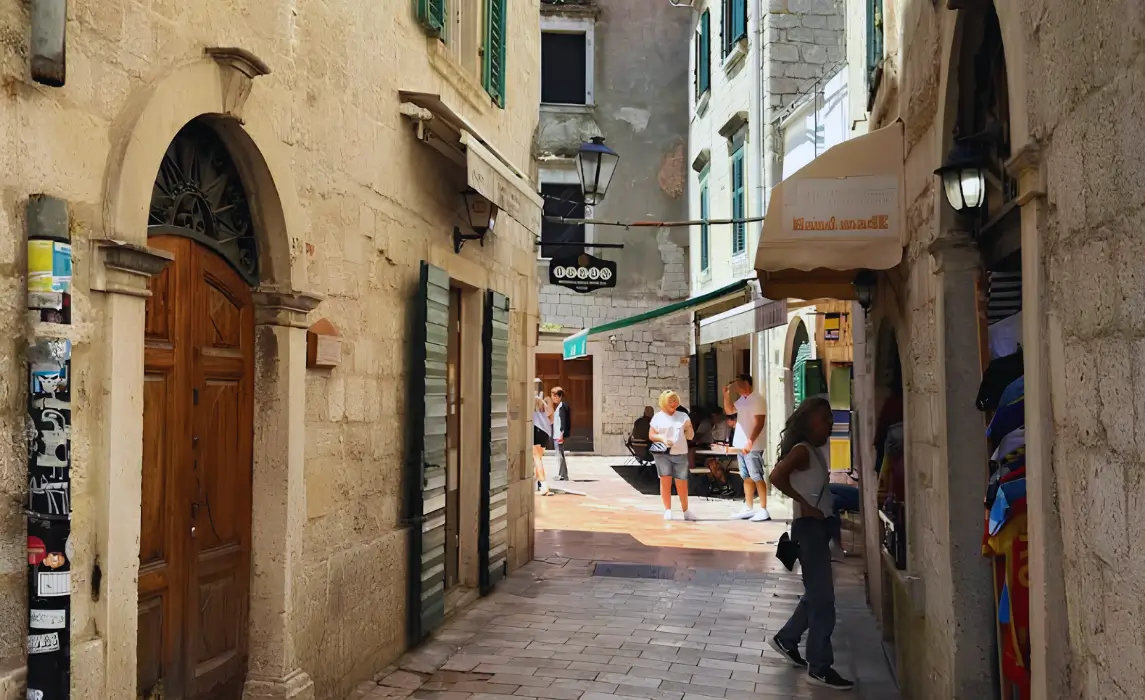
If you want a souvenir that isn't mass-produced, this is the one shop in this list that actually delivers on that promise. It's a family-run business, and the owner is upfront that the only imported items in the store are his laptop and sunglasses. Everything else, resin art pieces, wood work, custom mugs, hand-painted cards, keychains, is made by the family or local artists. The shop occasionally runs informal masterclasses where the owner teaches visitors to make their own resin pieces on the spot, which is a rare hands-on souvenir experience you won't find at a market stall. Expect to pay around €5-15 ($5.50-16.50) for small items like cards or keychains, and €25-60+ ($27-65+) for larger resin or painted pieces. Prices are reasonable for handmade work, and staff are happy to explain the story behind each item rather than just ring you up.
Explore the best food and flea markets in Laos for delicious street food, local handicrafts, fresh produce, and unique souvenirs. Find the top markets to visit.
Read MoreVoli is Montenegro's largest supermarket chain and your best bet for volume shopping: wine, rakija, cheese, packaged prosciutto, and a hot food counter for a quick meal between sightseeing. The selection genuinely outclasses smaller markets, and pricing on packaged goods runs close to Western European supermarket rates, expect €3-6 ($3.25-6.50) for a bottle of everyday wine or €8-15 ($8.75-16.50) for a good bottle of Vranac. That said, service quality varies noticeably by location and even by staff member, and a repeated, specific complaint worth flagging is that shelf price tags don't always match what rings up at checkout. Compare the barcode on the tag to the barcode on the product before buying anything pricier, and keep your receipt until you've checked it. Voli is the practical choice for stocking a rental kitchen or grabbing export-ready bottles for the flight home; it's not the place for a curated souvenir experience.
Budva's green market is where locals and vendors sell cured meats, cheese, honey, wine, and rakija directly, and it can go one of two ways depending on the day and the stall. Many visitors describe genuinely warm exchanges with vendors who offer generous samples and fair prices. Others report the classic tourist-market pattern: heavy sample pressure, prices that shift after the sale starts, and produce arranged to hide bruising or damage. The practical takeaway: agree on a price before anything changes hands, ask for the total in writing or on a phone calculator if there's a language gap, and don't feel obligated to buy after accepting a sample. Expect to pay roughly €18-28/kg ($19.50-30.50/kg) for cured meats like Njeguši prosciutto, €10-18/kg ($11-19.50/kg) for local cheese, and €6-10 ($6.50-11) for a bottle of homemade rakija. If you'd rather skip the negotiation entirely, several reviewers note the supermarket next door often has better quality at a lower price for the same packaged items.
This is a separate market from Budva's, located in the coastal town of Bar, and it's worth the detour if you're in the area since it leans harder into genuinely regional specialties: wild-picked porcini and chanterelle mushrooms, local herbs and teas, and a proper fish market next door with same-day catch. It sits beside an active fishing harbor, so the seafood selection here has a legitimate claim to freshness that inland markets can't match. One specific, useful tip that doesn't show up in most guides: prices inside the covered market can run two to three times higher if you shop before roughly 7 AM, since that's when the earliest, most eager buyers show up. Arriving after that window gets you the same produce at fairer prices. Dried mushrooms run about €15-25 per 100g ($16.50-27), local honey around €6-10 ($6.50-11) per jar, and olive oil roughly €8-14 ($8.75-15.50) per 500ml bottle.
The EU allows travel between member states with no restriction, but bringing cured meat and cheese into the US, UK, Canada, or Australia from outside the EU is generally restricted or banned under customs rules on animal products, regardless of how it's packaged. Check your destination country's customs website before you buy if this is a must-have souvenir.
At open-air green markets (zelena pijaca), yes, mild negotiation is common and expected, especially on larger purchases of meat, cheese, or produce. In supermarkets like Voli or fixed-price shops like By The Sea Handmade, prices are set and haggling isn't part of the culture.
Njeguši prosciutto or cheese wins for uniqueness to the region, but if packing cured meat feels risky given customs rules, Kotor lace or Cetinje filigree jewelry are the next best choices, both are genuinely regional crafts rather than items you could pick up in any Balkan country.