Read Related Article: Best Souvenirs from Mexico: Things to Buy
Discover the best souvenirs from Mexico, from handcrafted artisan goods and traditional crafts to authentic gifts that reflect Mexico’s culture and heritage.
Read More
%20(1).webp)
Hawaii, a tropical paradise located in the Central Pacific, is renowned for its breathtaking natural beauty, including pristine beaches, lush rainforests, and dramatic volcanic landscapes. Comprising a chain of islands, each with its own distinct character, Hawaii offers a diverse range of experiences for visitors. The island of Oahu is home to the vibrant city of Honolulu and the historic Pearl Harbor, while Maui boasts stunning beaches and the scenic Hana Highway. The Big Island, known as Hawaii Island, features active volcanoes in Hawaii Volcanoes National Park and majestic waterfalls along the Hamakua Coast. Kauai, often called the "Garden Isle," enchants visitors with its verdant valleys and towering sea cliffs. With its unique blend of Polynesian culture, warm hospitality, and natural wonders, Hawaii offers an unforgettable escape for travelers seeking paradise.
.webp)
.webp)
.webp)
%2520(1).webp)
.webp)
.webp)
.webp)
.webp)
.webp)
.webp)
Nevada, located in the western United States, is renowned for its diverse landscapes, vibrant entertainment, and rich history. The state is most famous for Las Vegas, a global entertainment capital known for its bustling casinos, world-class shows, and vibrant nightlife. Beyond the glitz of Las Vegas, Nevada offers stunning natural beauty, including the rugged terrain of the Mojave Desert, the alpine scenery of Lake Tahoe, and the striking rock formations of Red Rock Canyon and Valley of Fire State Park. The state capital, Carson City, along with historic towns like Virginia City, reflect Nevada's storied past rooted in the mining boom of the 19th century. With its blend of high-energy urban centers, expansive deserts, and scenic mountains, Nevada provides a unique and captivating experience for residents and visitors alike.
.webp)
.webp)
.webp)
.webp)
.webp)
.webp)
.webp)
.webp)
.webp)
.webp)
Florida, situated in the southeastern United States, is renowned for its sunny weather, sandy beaches, and vibrant culture. The state is home to world-famous tourist destinations like Walt Disney World Resort in Orlando, the Everglades National Park, and the vibrant art deco architecture of Miami Beach. With its diverse population, Florida boasts a rich cultural tapestry influenced by Latin American, Caribbean, and Southern traditions. Its economy is driven by industries such as tourism, agriculture, aerospace, and technology. Florida's natural beauty, outdoor recreational opportunities, and lively entertainment scene make it a popular destination for residents and visitors seeking fun in the sun.
.webp)
.webp)
.webp)
.webp)
.webp)
.webp)
.webp)
.webp)
.webp)
.webp)
Mexico City’s markets are more than places to shop, they’re living snapshots of the city’s culture, history, and daily rhythm. From massive working markets where locals buy groceries by the kilo, to artisan hubs showcasing traditional crafts, to specialty markets rooted in food or spiritual practice, each one offers a different window into how the city truly functions. This guide to the best markets in Mexico City helps you understand what each market is known for, what you’ll find there, who it’s best for, and how to choose the right ones for your travel style, whether you’re after authentic meals, meaningful souvenirs, or a deeper cultural experience.
Walking into Mercado de San Juan Pugibet feels like stepping into Mexico City’s most adventurous food market. This isn’t where locals shop for daily basics, it’s where chefs source rare ingredients, food lovers experiment, and traditional Mexican cuisine blends with global gastronomy in unexpected ways. Think of it as a gourmet specialty market hidden inside a traditional mercado.
What makes San Juan Pugibet different is its range and purpose. You’ll find Spanish jamón ibérico beside Oaxacan quesillo, French cheeses next to pre-Hispanic edible insects, exotic meats like crocodile, and premium seafood flown in from both coasts. The market preserves ancient culinary traditions, especially insect-based foods, while embracing modern, international flavors, creating a unique cultural mix you won’t find in other Latin American markets.
Food is the main attraction. Fresh tortillas are pressed and cooked on the spot and widely considered among the city’s best. The insect stalls offer chapulines, maguey worms, and seasonal escamoles, all properly prepared and explained by knowledgeable vendors. There’s also a popular Peruvian ceviche stand, exotic protein tacos, and vendors who are happy to guide first-time visitors through unfamiliar flavors. Prices are higher than neighborhood markets, but quality and expertise justify the cost.
Beyond prepared food, the market is excellent for specialty shopping. Look for authentic Oaxacan cheese, raw cacao beans, fresh spices, traditional and fusion mole pastes, and small-batch mezcal, including bottles with scorpions that are often genuine, high-quality products. Sampling is encouraged, which helps when choosing unfamiliar items.
San Juan Pugibet is still a working market, with visible butchery that may be uncomfortable for some visitors. Ethical concerns around certain meats mean many people simply skip those sections. The market is best visited in the morning, especially on weekdays, and while there’s no direct metro stop, it’s reachable by a short walk or Uber. Basic Spanish helps, but vendors are patient and welcoming.
This market isn’t a must-see for everyone, but for food-focused travelers who enjoy cultural exploration through cuisine, it’s one of Mexico City’s most memorable and eye-opening experiences.
Instead of easing you in, La Merced Market throws you straight into the deep end of Mexico City’s daily life. Exit the metro and you’re instantly absorbed into a dense web of vendors, shoppers, noise, and motion, no clear entrance, no obvious paths, and no pause button. It’s loud, crowded, and disorienting by design, and yes, you will get lost. That confusion isn’t a flaw; it’s your first lesson in how this massive, living market actually works. La Merced isn’t just a market; it’s a small commercial city that stretches across massive warehouses and spills into surrounding streets. Even after a couple of hours, you’ll likely have only seen part of it.
What makes La Merced extraordinary is its scale and authenticity. This is where Mexico City actually shops, not a market curated for visitors. Prices are wholesale-level, often 30–50% cheaper than supermarkets, and the variety is staggering. Entire sections are dedicated to produce, meat, spices, flowers, prepared food, clothing, household goods, toys, and more. The market feels chaotic, but it runs on an internal logic locals understand instinctively. The metro exit opening directly into the market reinforces the sense that you’ve stepped into the beating heart of the city’s economy.
Food is everywhere and deeply woven into daily life here. Tamales are legendary, cheap, filling, and made by vendors who’ve perfected their recipes over decades. Traditional breakfasts like chilaquiles, huevos rancheros, and pozole are cooked on the spot and served at communal tables shared by locals, vendors, and the occasional tourist. Sampling is common, especially for fruit, spices, and prepared foods, and prices are consistently some of the lowest in the city. Beyond food, you’ll also find services like barbers, flower sellers, and specialty vendors offering everything from bulk spices to artificial plants.
Navigation is challenging and sensory overload is guaranteed. The layout defies logic, with indoor warehouses connecting to outdoor alleys and streets packed with stalls. Dropping a location pin when you enter is highly recommended. The northern sections near the metro are more organized, while southern and outdoor areas feel wilder but just as authentic. Crowds are dense, noise is constant, and the mix of colors, smells, and movement is intense, exhausting but unforgettable.
La Merced isn’t designed for tourists, which is both its strength and its challenge. Basic Spanish helps, and many visitors choose to explore with a guide to better understand the market and move confidently through it. Safety is generally fine during the day if you use common sense, keep valuables secure and stay aware. Cash is essential, weather matters, and ethical or uncomfortable sights are part of the reality. For travelers who want to see how Mexico City truly functions, La Merced offers raw authenticity, unbeatable value, and an experience that’s overwhelming in the best possible way.
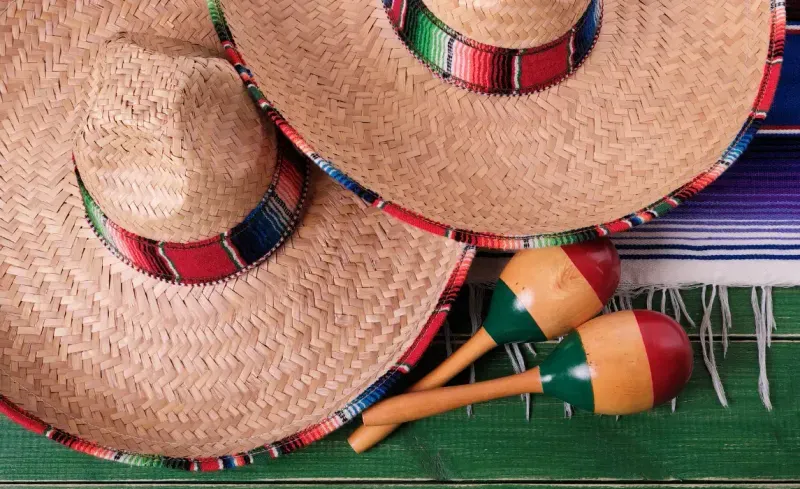
Discover the best souvenirs from Mexico, from handcrafted artisan goods and traditional crafts to authentic gifts that reflect Mexico’s culture and heritage.
Read MoreLocated in the heart of Coyoacán, a short walk from the Frida Kahlo Museum, Coyoacán Market offers an easy, approachable introduction to Mexico City’s market culture. It’s authentic enough that locals still shop here for daily needs, yet friendly and manageable for visitors who may feel intimidated by larger or more chaotic markets. Its mid-sized layout means you can see everything in about 1–2 hours without feeling rushed or overwhelmed, making it ideal to pair with nearby attractions.
What makes the market appealing is its balance. It doesn’t have La Merced’s massive scale or San Juan’s exotic focus, but it feels lived-in and real rather than staged for tourists. Many visitors plan their day by visiting the Frida Kahlo Museum first, then heading here around lunchtime when the market is fully open. On weekends, the nearby Jardín Allende adds an extra draw with artisan stalls selling local art and handmade goods, extending the experience beyond the indoor market.
Food is a major highlight. Well-known stalls like Trinidad Ritual de Sabores and Come Chingon are praised for generous portions, quality cooking, and fair prices, with meals generally ranging from 70–120 MXN ($3.50–$6 USD). Breakfast favorites such as chilaquiles, tamales, fresh fruit, licuados, and pozole are cooked to order and affordable enough to sample freely. Tacos are available throughout the market, usually costing 15–25 MXN ($0.75–$1.25 USD) each, and fresh juices are squeezed on the spot. The atmosphere feels lively but relaxed, reflecting everyday neighborhood routines rather than tourist spectacle.
Shopping goes beyond food, with a mix of souvenirs, crafts, leather goods, textiles, clothing, flowers, spices, and produce. Prices are slightly higher than in less touristy markets but still better than airport or hotel shops. Small souvenirs typically cost 50–150 MXN ($2.50–$7.50 USD), while larger artisan pieces can run higher depending on quality. Some items are mass-produced, but genuinely handmade goods are easy to spot if you look for natural materials and small imperfections.
Practically speaking, the market officially opens around 11 AM, so arriving earlier isn’t ideal. It’s about a 10–15 minute walk from Coyoacán metro station, or a short Uber ride from central neighborhoods. The building itself is older and worn, which may surprise some visitors, but this reflects a normal neighborhood market rather than a curated attraction. It’s clean, functional, and very much part of daily local life.
Coyoacán Market isn’t Mexico City’s most famous or dramatic market, and it doesn’t try to be. What it offers instead is accessibility, solid food, and a genuine sense of place. It’s especially well-suited for first-time visitors, families, and anyone wanting an authentic market experience without committing an entire day or navigating extreme crowds. If you’re already exploring Coyoacán, stopping here is an easy, rewarding choice that adds depth to your visit without demanding too much from you.
Mercado Sonora occupies a complicated place in Mexico City’s market scene. Often called the “witchcraft market,” it attracts visitors curious about brujería and traditional spiritual practices, but it also raises serious ethical and practical concerns that make it very different from other markets. This is not an easy recommendation; it’s a place that can be culturally fascinating and deeply troubling at the same time.
What makes Mercado Sonora unique is its brujería section at the rear of the market. Vendors sell herbs for limpias (spiritual cleansings), candles in every color with specific intentions, amulets, potions, masks, and religious figures ranging from Catholic saints to Santa Muerte. These are not novelty items for tourists, locals come here for real spiritual work tied to curanderismo, Day of the Dead traditions, and folk religious practices that predate Spanish colonization. Without context, the symbolism can feel confusing or unsettling, which is why guides can be valuable in explaining what these items mean culturally.
Outside the witchcraft area, Sonora functions as a large, very affordable general market. It’s known for incense, candles, costumes (especially around Day of the Dead and Halloween), toys, household items, and souvenirs at prices well below tourist markets. If you’re looking specifically for spiritual supplies, incense, or ritual candles, the selection and value are unmatched.
The major issue, and the reason many travelers skip this market entirely, is the live animal section. Multiple visitor accounts describe severe animal welfare problems, including overcrowded cages, lack of water, visibly sick or dead animals, and rough handling. The conditions are widely described as distressing, and photography is discouraged. For many visitors, this alone is a dealbreaker, and it’s important to know that even avoiding the animal section still means supporting a market where this practice exists.
From a visitor standpoint, Mercado Sonora is not tourist-friendly. The corridors are narrow and crowded, vendors can be unfriendly or indifferent, and several travelers, especially women, report feeling uncomfortable or unwelcome. The surrounding area requires awareness and confidence, and while the Merced metro station provides easy access, ride-hailing can be unreliable. Pickpocketing is a concern due to crowd density, and visiting without Spanish skills or a guide can be challenging.
Mercado Sonora can be worthwhile for a very specific audience: travelers deeply interested in Mexican folk religion or spiritual traditions, comfortable in intense environments, and ideally accompanied by a knowledgeable guide. For everyone else, the experience often feels stressful rather than rewarding. The honest takeaway is this: Sonora offers cultural insight you won’t find anywhere else, but it comes with ethical, safety, and comfort trade-offs. If you go, go informed, go respectfully, skip the animal section, and plan carefully. If you skip it, you’re not missing a general “must-see”, there are many other markets in Mexico City that offer better food, friendlier atmospheres, and fewer moral conflicts.
-p-800.webp)
Explore the best things to buy in Pakistan, from traditional handicrafts and textiles to unique local souvenirs that reflect the country’s rich culture.
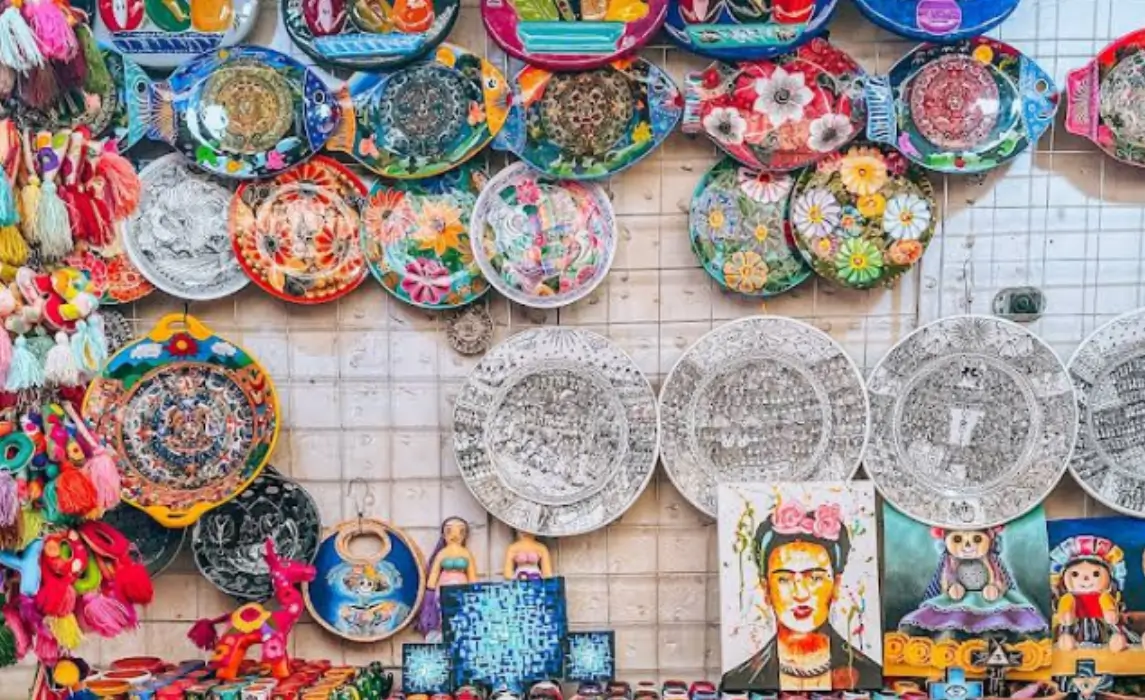
Read MoreIf you’re buying souvenirs in Mexico City, La Ciudadela Market is the place to do it. Located near Centro Histórico, this large indoor artisan market brings together more than 300 vendors, many of them the actual makers, selling handcrafted goods without the inflated prices you’ll see in hotel shops, boutiques, or the airport. Much of what’s sold in upscale neighborhoods like Roma and Condesa originates here, just without the markup.
La Ciudadela stands out because it’s organized and approachable. The market is laid out in clear aisles (pasillos), making it far easier to navigate than chaotic markets like La Merced. You can still get turned around, the stalls can look similar, but it’s comfortable to explore, even for first-time visitors or families. The atmosphere is calm and welcoming, with vendors known for being friendly, patient, and low-pressure. Many are happy to explain their craft, materials, or regional origins, and some speak English.
Shopping here is a mix of obvious souvenirs and genuine craftsmanship. Alongside mass-produced trinkets, you’ll find hand-hammered Taxco silver, Oaxacan textiles and alebrijes, embroidered clothing, traditional pottery, leather goods, lucha libre masks, and even handmade guitars crafted by local luthiers. Prices are reasonable and negotiable, haggling is expected, usually starting 20–30% below the asking price. Buying directly from artisans means your money supports real people and long-standing craft traditions, not factories or middlemen.
One of La Ciudadela’s most special features happens next door on Saturdays, when hundreds of elegantly dressed elderly couples gather in the adjacent park to dance together under a canopy. It’s not a performance or tourist show, but a weekly social tradition that adds unexpected warmth and emotion to a visit. Many travelers say this moment alone makes the trip memorable.
Practically speaking, plan to spend 2–3 hours here. Bring cash, as most vendors don’t accept cards, and water, it can get warm inside. Weekday mornings are quieter, while Saturdays are livelier thanks to the dancing. Food options are limited, so come fed or plan to eat afterward. Getting there is easy by metro (Balderas station) or Uber.
La Ciudadela isn’t flashy, and it doesn’t feel like a tourist trap, and that’s exactly why it works. It’s ideal for anyone who wants meaningful souvenirs, fair prices, and a relaxed shopping experience rooted in real Mexican craftsmanship. If you want gifts that actually tell a story, this market delivers.
Quick answers to the most common questions visitors have, so you can shop comfortably, plan ahead, and avoid surprises.
Most vendors give plastic bags, but they’re flimsy and not ideal if you’re browsing for a few hours. Bring a sturdy tote bag or small backpack to keep items secure and your hands free. For fragile pieces like ceramics or silver, vendors may do basic wrapping, and some will even hold larger purchases (like guitars or bulky pottery) until you’re ready to leave, especially if you’re buying multiple items.
La Ciudadela doesn’t offer on-site shipping, and most vendors don’t ship internationally. You’ll need to arrange it yourself. Correos de México (the national post office) is nearby but can be slow and unreliable. For valuable or fragile items, DHL or FedEx offices in areas like Roma or Condesa are more dependable, though more expensive. Some hotels can also help arrange shipping for a fee, so factor this into your budget if you’re buying large or delicate items.
Restrooms are available inside the market but can be hard to find, ask a vendor (“¿Dónde están los baños?”). They’re basic, and small fees or tips (5–10 MXN) are common. There are no ATMs inside the market, but several banks are within a few blocks. It’s best to withdraw cash before arriving, preferably from an ATM inside a bank. Most vendors and the small food area are cash-only.