Belgium is one of those countries that quietly over-delivers. It's small enough to cross in a few hours but dense with centuries of craft tradition, the kind that produces chocolate so good it set the global standard, lace so fine it was once reserved for royalty, and beer so varied that the country has more distinct styles per square kilometer than anywhere else on earth. Most visitors come for a weekend and leave wishing they'd budgeted more room in their luggage.
This guide covers the best souvenirs to bring home from Belgium, from iconic picks like pralines and Trappist ales to underrated finds like artisan jenever and handmade linen, along with where to buy them, what to pay, and how to avoid the mass-produced versions that crowd the tourist-facing shops.
Best Souvenirs to Buy in Belgium
1. Belgian Chocolate
Belgian chocolate isn't just a souvenir, it's the benchmark against which most of the world's chocolate is measured. The country produces around 220,000 tons of chocolate per year, and a significant portion of that goes through serious chocolatiers who still temper, fill, and hand-finish by hand. What you're buying here isn't Toblerone. It's pralines with fresh ganache centers, dark chocolate shells with pistachio or salted caramel fillings, and truffles that have a shelf life measured in days because they're made with real cream.
The most recognizable names are Neuhaus (which literally invented the praline in Brussels in 1912), Leonidas (widely available, consistent quality, more affordable), and Godiva (Belgian in origin but now mass-market, skip it). For something a step above, look for independent chocolatiers: Pierre Marcolini, Mary Chocolatier, and Laurent Gerbaud in Brussels each make small-batch work worth seeking out. In Bruges, The Chocolate Line is known for unconventional flavor combinations, think wasabi or bacon, if you want something genuinely different to bring home.
Prices at Neuhaus and Leonidas run €10–€20 (~$11–$22) for a box of 12–18 pralines. Independent chocolatiers charge €20–€50 (~$22–$54) for comparable quantities but noticeably higher quality. Speculoos-filled chocolate bars, a Belgian-specific flavor combination, are widely available in shops and supermarkets for €3–€8 (~$3–$9) and travel well.
For carry-on: Pralines with fresh cream fillings should be eaten within three to five days. If you're flying home, opt for bars or dry-filled pralines, which hold up better. Keep them out of checked luggage in summer, they won't survive the cargo hold.
2. Belgian Beer and Beer Gifts
Belgium has around 300 active breweries producing over 1,500 distinct beer styles, and that's not marketing copy, that's just the current count. The country's brewing tradition is so significant that UNESCO added Belgian beer culture to its Intangible Cultural Heritage list in 2016. What that means practically is that the beer you buy here, particularly from smaller producers, is genuinely difficult to find outside of specialist import shops back home.
The categories worth knowing: Trappist beers are brewed inside monastery walls under monk supervision, only 14 breweries worldwide hold that designation, and six of them are in Belgium (Westmalle, Rochefort, Chimay, Orval, Achel, Westvleteren). Of these, Westvleteren 12 is considered by many to be the finest beer in the world and is only sold directly from the abbey or at the on-site café, you can't reliably find it in shops, so if you're passing through the Westhoek region, it's worth the detour. Lambic and gueuze are sour, spontaneously fermented styles unique to the Pajottenland region southwest of Brussels, Cantillon in Brussels makes some of the most respected bottles available, with tours and sales direct from the brewery. Saison and witbier (Belgian white beer) round out the range and are widely available at more accessible price points.
Individual bottles run €2–€6 (~$2–$6.50) for widely available labels, €8–€20 (~$9–$22) for Trappist or specialty bottles, and €25–€60+ (~$27–$65+) for aged lambics or collector editions. Beer gift sets with branded glassware, each Belgian beer is traditionally served in its own specific glass, are sold in most specialty beer shops for €15–€40 (~$16–$43).
For travel: Most bottles are fine in checked luggage wrapped in clothing. Avoid carbonated bottles in carry-on due to pressure changes. Specialist beer shops like Délices et Caprices in Brussels or De Biertempel near the Grand-Place will pack purchases securely and can advise on the best options for your specific journey home.
Read Related Article: Myanmar Souvenir: 10 Burmese Gifts You'll Want to Own
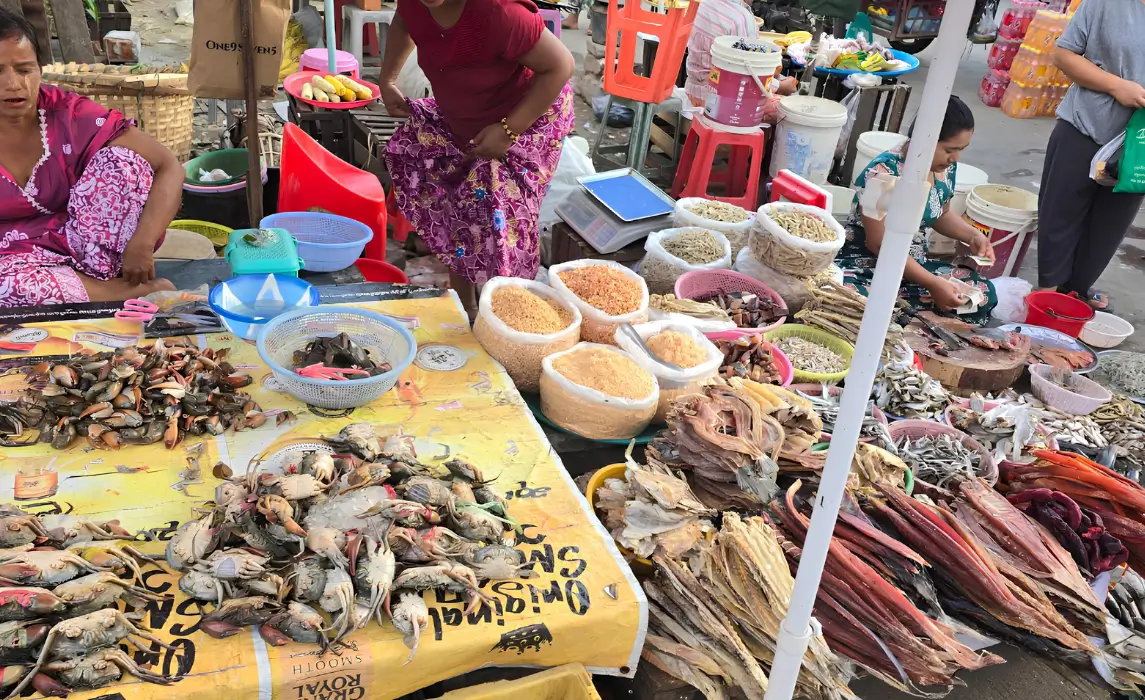
Myanmar souvenirs go far beyond typical tourist trinkets. From hand-lacquered bowls to rare jade and handwoven longyis, here are 10 Burmese gifts worth bringing home.
Read More
3. Lace (Dentelle / Kant)
Belgian lace, particularly the bobbin lace associated with Bruges, has been produced in this country since the 16th century, when Flemish weavers were considered the finest in Europe. At its peak, lace-making employed tens of thousands of women across Flanders; today the craft is kept alive by a small community of dedicated artisans, which is precisely why genuine handmade pieces carry both a high price and a real story.
The distinction between handmade and machine-made lace matters enormously here, and knowing the difference will save you from spending €40 on something that cost €2 to produce in a factory. Handmade bobbin lace has slight irregularities when examined closely, threads cross at organic angles, and the pattern has a dimensional texture you can feel. Machine-made lace is perfectly uniform and flat. Hold it up to the light: machine lace will look identical across the entire piece; handmade lace shows subtle variation. Authentic handmade lace should come with documentation or be sold by a verifiable artisan.
In Bruges, Kantcentrum (the Lace Centre) is the most reliable source for authentic handmade pieces and hosts live demonstrations of bobbin lace-making, worth visiting even if you don't buy, because watching the process changes how you look at the finished product. For shopping, Lace workshops along Balstraat and Katelijnestraat sell both handmade and machine-made pieces at different price points.
Handmade lace handkerchiefs start at €15–€40 (~$16–$43); table runners run €50–€200+ (~$54–$217+) depending on size and complexity. Machine-made lace handkerchiefs go for €5–€12 (~$5–$13) and are fine as decorative souvenirs if you're not looking for heirloom quality. Lace-trimmed jewelry and small accessories are a practical middle ground at €10–€30 (~$11–$32).
4. Waffles and Speculoos Products
The packaged versions of Belgium's most famous baked goods are, genuinely, excellent souvenirs, and far more practical to bring home than the fresh street versions that last about twelve minutes. The key is knowing which products are actually worth buying and which are supermarket filler with a Belgian flag on the label.
Liège waffle mixes are a solid pick: the Liège waffle is the denser, pearl-sugar-studded variety (as opposed to the Brussels waffle, which is lighter and rectangular), and the packaged mixes from Belgian brands like Mélange de la Maison or supermarket own-brands produce results close to the original at home. Available in most supermarkets for €3–€6 (~$3–$6.50).
Speculoos products deserve their own category. The spiced shortcrust biscuit, flavored with cinnamon, cloves, ginger, and nutmeg, is a deeply Belgian thing that predates the Lotus Biscoff branding most people outside Belgium know it by. In Belgium, you can find: traditional speculoos biscuits in bulk at bakeries and markets, speculoos spread (the smooth, cookie-butter version) in jars for €3–€6 (~$3–$6.50), and speculoos-filled chocolate bars as mentioned above. The Lotus Biscoff tins are the most giftable format, recognizable, travel-proof, and genuinely good. Look for larger tins in supermarkets (Carrefour, Delhaize, Colruyt) rather than tourist shops, where the same tins cost 30–40% more.
For customs: All of these are shelf-stable and non-perishable, making them some of the least stressful souvenirs to travel with. EU regulations and most international customs rules don't flag dry packaged baked goods.
5. Belgian Comics and Tintin Merchandise
Belgium's contribution to the comic world is disproportionate to its size. Tintin, the Smurfs, Asterix (co-created by Belgian artist Albert Uderzo), Spirou, Lucky Luke, and Blake and Mortimer all originated here, and the country treats its comic heritage with a seriousness you don't encounter in many other places. Brussels has over 50 comic murals painted across the city as part of an official Comic Strip Route, and the Belgian Comic Strip Center (CBBD) is a serious museum dedicated to the medium.
For souvenirs, the range runs from mass-market to genuinely collectible. Tintin figurines (the iconic Moulinsart brand) are the most widely found: resin statuettes of Tintin, Snowy, Captain Haddock, and the Thompson Twins run €15–€60 (~$16–$65) depending on size and detail. Original comic albums in French or Dutch, the authentic language editions, make unusual gifts for readers, at €10–€15 (~$11–$16) each. Posters, enamel pins, mugs, and tote bags exist in every tourist shop in Brussels and Bruges, but the quality varies dramatically.
For the best selection, go to dedicated comic shops rather than generic souvenir stores. Boutique Tintin near the Grand-Place in Brussels stocks the full Moulinsart range. La Bande des Bulles and Brüsel are respected independent comic shops with broader selections across all Belgian titles. If you're looking for vintage editions or first printings, the Marolles flea market occasionally surfaces them among the general clutter, patience required.
6. Artisan Gin and Jenever
Jenever (also spelled genever) is the juniper-based spirit that predates and technically inspired modern gin. It was first distilled in Belgium and the Netherlands in the 16th century, and Belgium's version, particularly from the East and West Flanders regions, is protected under EU geographical indication status, meaning only jenever produced in a specific geographic zone can legally carry the name.
The two styles worth knowing: Young jenever (jonge) is lighter, more neutral, and closer in character to a soft gin, easy to drink, widely available, lower price point. Aged jenever (oude) is matured in oak barrels for a minimum of one year, developing a rounder, more complex flavor with malt notes that can resemble a light whisky. It's the one worth buying if you're treating this as a serious spirit souvenir. Look for Rubbens, Filliers, and De Moor as reliable producers; Filliers 28 aged jenever is considered one of the finest expressions of the style.
Belgium's artisan gin scene has also grown significantly, with Ghent and Brussels both producing small-batch gins using local botanicals. Copperhead (Ghent) and Bloom are among the more exported labels, but buying directly in Belgium means access to expressions that don't reach international markets.
Standard jenever bottles (50cl) run €12–€25 (~$13–$27) depending on age and producer. Aged expressions and limited releases go for €25–€60+ (~$27–$65+). For travel, 50cl bottles fit standard carry-on liquids rules if under 100ml, for anything larger, pack in checked luggage. Specialty spirit shops like Délices et Caprices in Brussels and spirits retailers on Ghent's Vrijdagmarkt carry a good range.
7. Belgian Linen and Textiles
Ghent was once the linen capital of Europe. From the medieval period through the 19th century, the city's textile industry, built on Flemish flax cultivation and weaving, produced linen that clothed courts across the continent. The industrial revolution largely displaced handmade linen production, but Ghent's textile heritage persists in a small network of producers who still make linen goods to a standard that shows in the hand and the weight.
Quality Belgian linen has a specific feel: substantial without being heavy, slightly textured, and very different from the thin, almost translucent linen sold as decorative fabric in most home goods stores. The flax cultivation that made Flemish linen distinctive, grown in cool, damp Flemish soil, is part of what gives it that character. When shopping, check that the label says 100% Belgian linen or 100% Flax (lin/vlas) rather than generic "linen blend." Thread count matters less for linen than weave density and flax origin.
Practical items to look for: tea towels (€8–€20 / ~$9–$22) in traditional Flemish patterns, tablecloths (€30–€120 / ~$33–$130) in undyed or naturally dyed linen, and linen clothing, particularly shirts and blouses, from Ghent-based designers at €40–€150 (~$43–$163). Ghent's Vrijdagmarkt and surrounding streets have specialty linen shops worth browsing. In Brussels, Dille & Kamille stocks Belgian-made linen home goods at accessible price points.
8. Ceramics and Delftware-Style Pottery
Belgian pottery doesn't have the international profile of its Dutch neighbor's Delftware, but it has a distinct regional tradition that predates the blue-and-white aesthetic most people associate with the Low Countries. Andenne, a small town in the Namur province, has been producing pottery since at least the 10th century and remains home to working ceramicists. Torhout and Raeren also have documented stoneware traditions stretching back to the medieval period.
What you'll find in souvenir shops across Belgium skews toward the Dutch-adjacent blue-and-white style: decorative tiles, mugs, and plates with Flemish motifs, canal scenes, or Belgian iconography. These range from genuinely hand-painted pieces from small studios (€20–€80 / ~$22–$87) to mass-produced import items that look similar but cost a fraction, and feel like it (€5–€15 / ~$5–$16). The distinction is usually visible: hand-painted brushwork has slightly uneven line weights and subtle color variation; factory prints are perfectly flat.
For authentic ceramics, the Musée de la Céramique in Andenne doubles as a place to buy from local potters and can point you toward working studios in the area. In Brussels, the antique shops along Rue Blaes in Marolles occasionally stock older Belgian studio pottery worth picking up. If you're buying primarily decorative tiles as gifts, the tourist shops around the Grand-Place have a reliable selection at €5–€15 (~$5–$16) per tile, which is fair for what they are.
Read Related Article: Best Supermarkets in Japan
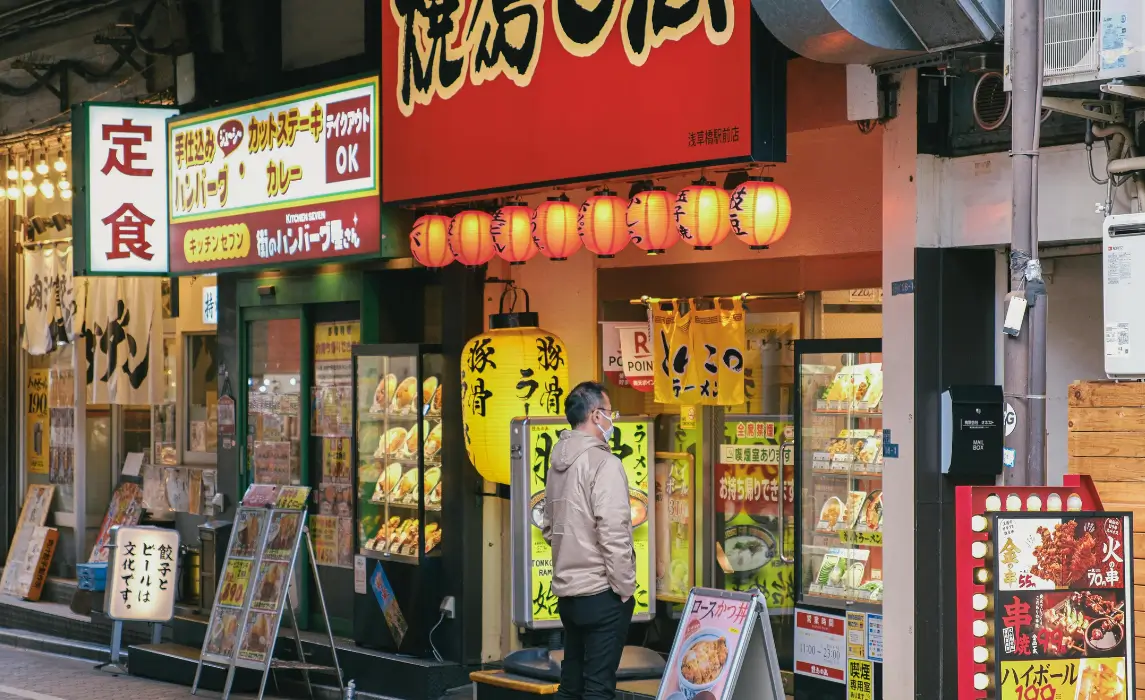
Japan's supermarkets are worth a visit on their own. Find out which chains are best for groceries, snacks, and souvenirs, and what to look for once you're inside.
Read More
Where to Buy Souvenirs in Belgium
Galeries Royales Saint-Hubert, Brussels
Opened in 1847, the Galeries Royales Saint-Hubert holds the distinction of being one of the oldest shopping arcades in Europe, and it still earns that title. The glass-vaulted ceiling stretches across three connected galleries (King's, Queen's, and Prince's), flooding the arcade with natural light regardless of what the weather outside is doing, which in Brussels, is usually something grey.
What sets it apart from your typical souvenir strip is the caliber of what's sold here. You'll find flagship Belgian chocolatiers like Neuhaus (which actually invented the praline here in 1912), alongside luxury boutiques, bookshops, a cinema, and art galleries, all under one roof. It's less of a shopping mall and more of a curated cultural corridor.
For souvenirs specifically, this is where you go when you want quality over quantity. Expect to pay €15–€40 (~$16–$43) for a box of pralines depending on weight, and €20–€80+ (~$22–$87) for artisan pieces from the smaller gallery shops. Window shopping is completely valid here, the architecture alone makes it worth the detour, especially if you're already walking toward the Cathedral.
Best time to visit: December, when the arcade is dressed in full festive lighting and the atmosphere is genuinely unlike anything else in Brussels. Avoid weekends if you want a calmer experience, it fills up quickly.
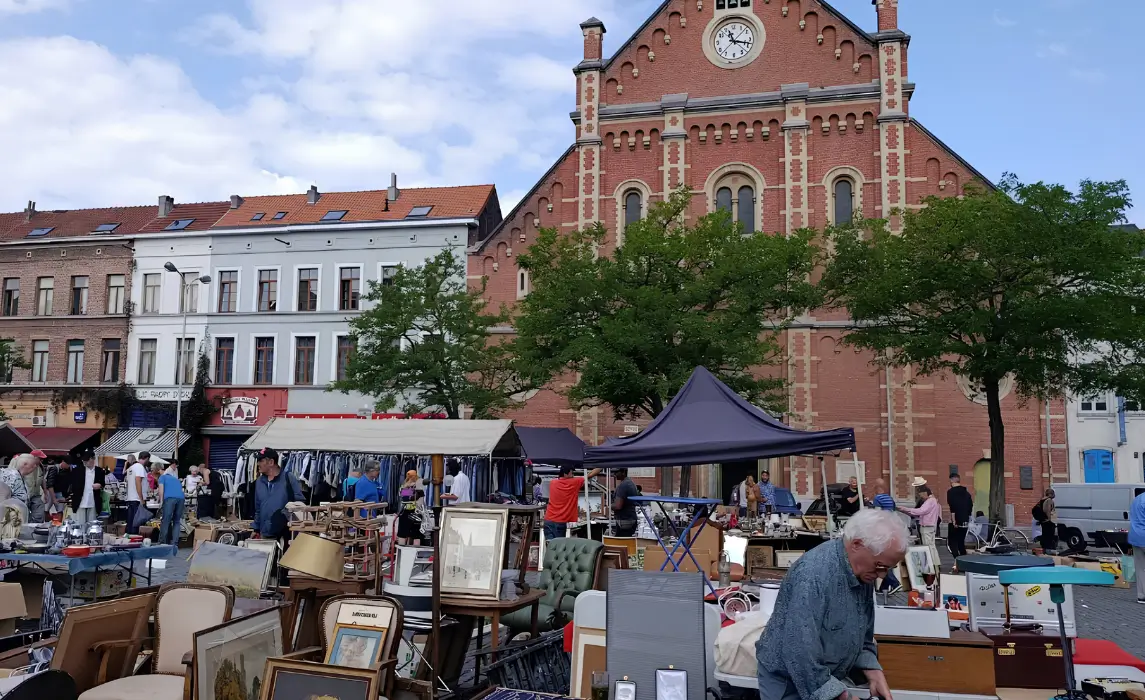
Vieux Marché / Place du Jeu de Balle (Marolles Flea Market), Brussels
This is Brussels at its most unfiltered. Every morning, yes, daily, not just weekends, the Place du Jeu de Balle in the working-class Marolles neighborhood fills up with vendors selling everything from cracked porcelain to vintage fur coats to 1960s furniture no one thought to throw away. It's chaotic, a little dusty, and completely absorbing.
What makes this flea market genuinely different from tourist-facing markets is its clientele: antique dealers, interior designers, and serious collectors show up early to pick out the good stuff. That means two things for you, come before 9am if you want first access to anything worth finding, and be prepared to negotiate. Vendors expect it. A starting offer of 50–60% of the asking price is a reasonable opener.
Prices swing wildly depending on the seller and what they think you're worth. A vintage dress can go for €5–€20 (~$5–$22); furniture pieces run €30–€150+ (~$33–$163). Small collectibles, old postcards, and mismatched silverware typically land at €1–€10 (~$1–$11). Cash only across the board.
The surrounding Marolles neighborhood has a cluster of proper antique shops on and around Rue Blaes and Rue Haute, worth browsing after the market winds down. Most vendors start packing up around 1–2pm, so plan accordingly.
Pro tip: The local brasseries around the square open early. Grabbing a coffee before you browse is the right move.
Markt Square Weekend Market, Bruges
The Markt in Bruges hosts a Wednesday morning food market that most tourists miss entirely because they're too busy queuing for the Belfry. This is where local vendors set up stalls selling fresh Flemish cheese, regional bread, seasonal produce, and warm street snacks, a fundamentally different experience from the chocolate shops ringing the square perimeter.
The square itself is the architectural centerpiece of Bruges: surrounded by guild houses with stepped gables on the north side, dominated by the 83-meter Belfry tower, and framed by cobblestones that have been here since the medieval period. The Belfry climb (366 steps, €16/~$17 per adult) rewards with the best rooftop view in the city, better than any restaurant terrace.
For souvenir shopping, the Markt is useful as a landmark, not as a bargain zone. The restaurants and shops directly on the square charge a premium for the location. Wander two or three streets in any direction and prices on identical items, chocolates, lace, beer, drop noticeably. Lace handkerchiefs on the square run €10–€25 (~$11–$27); the same quality piece off Steenstraat or Wollestraat will cost you less.
The Christmas market version of the Markt is worth knowing about honestly: it's beautiful to look at but has shifted heavily toward mass-produced goods at inflated prices. The aesthetic is still there; the artisan quality largely isn't anymore.
Stadsfeestzaal, Antwerp
Most shopping malls feel like shopping malls. Stadsfeestzaal feels like someone installed retail shops inside a 19th-century opera house and forgot to tell anyone it was odd. The 1908 neoclassical building, with its gold-leaf detailing, marble staircases, and massive glass dome, was gutted by fire in 2000 and painstakingly restored, reopening as a shopping center that genuinely earns the word "stunning."
It sits on the Meir, Antwerp's main shopping boulevard, which makes it easy to combine with a broader shopping day. Inside you'll find a mix of mainstream stores (Action, Kruidvat) and smaller boutiques, plus a central café area under the dome that's worth sitting in just for the acoustics.
For souvenir purposes, Stadsfeestzaal is most useful for its gift and specialty shops on the periphery, where you can find Belgian-designed homeware, artisan food products, and stationery. Expect to spend €10–€50 (~$11–$54) depending on what you're after. The central bar area is also a legitimate stop, a coffee or beer here while looking up at the restored ceiling is a low-cost way to get a lot out of the building.
If the Meir feels overwhelming with foot traffic, the Stadsfeestzaal interior is noticeably calmer and more manageable, a good reset point mid-shopping day.
Marché de la Batte, Liège
Held every Sunday morning along the banks of the Meuse River, Marché de la Batte is the largest street market in Belgium, stretching for roughly two kilometers from the city center outward. It's been running for over 600 years, which makes it one of the oldest continuously operating markets in the country, and it shows in how deeply local it feels.
The range here is genuinely wide: Italian charcuterie, Algerian olives, live farm animals (yes, chickens and ducks), secondhand clothing, leather goods, fresh fish, electronics, and stalls selling warm street food you can eat while walking. It's not a curated artisan market, it's a working Sunday market, and that's precisely what makes it worth the trip if you want something that feels nothing like a tourist stop.
For souvenirs, the value angle is the main draw. Clothing goes for €5–€20 (~$5–$22), food items like cured meats and specialty olives run €3–€15 (~$3–$16), and leather goods are available at €10–€40 (~$11–$43), significantly cheaper than equivalent items in Brussels boutiques.
Practical notes: Arrive before 10am, it's genuinely crowded by 11am, and that makes browsing difficult. Parking near the riverside is restricted on market day; the indoor lot under the Decathlon building nearby is your best option. Cash is preferred at most stalls. Pickpocketing does happen in the crowd, keep bags in front of you.
Read Related Article: Best Things to Buy in Malaysia
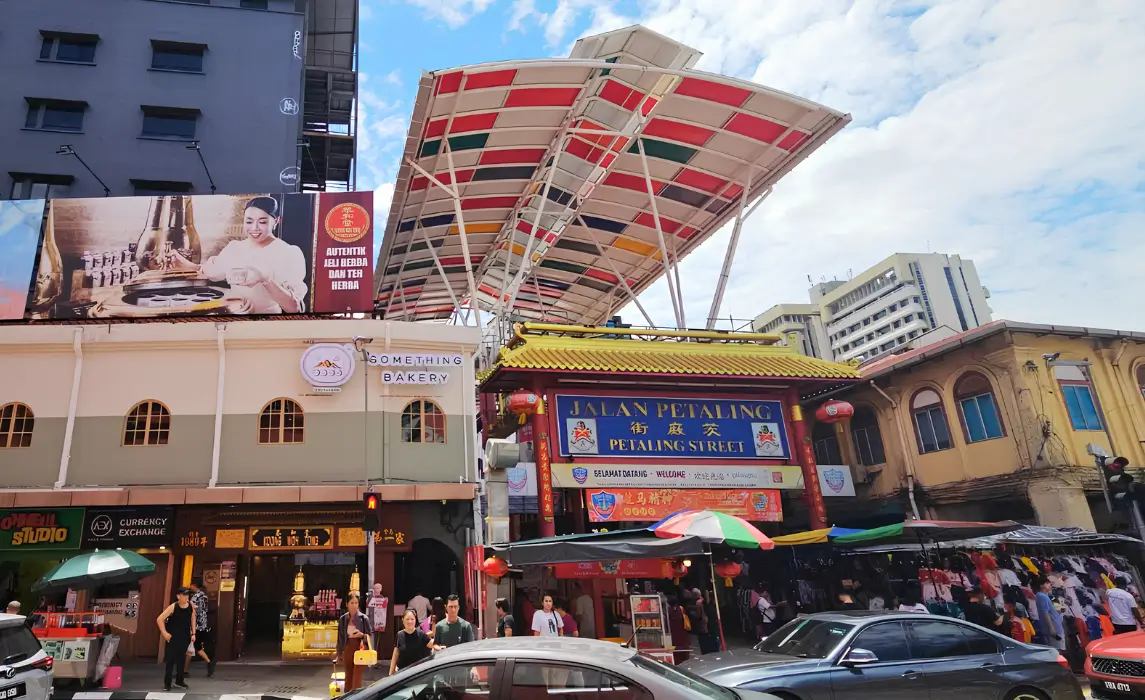
Malaysia has more to offer than fridge magnets. From Sarawak pepper to batik fabric and pewterware, here are the best things to buy in Malaysia, and where to find them.
Read More
Practical Shopping Tips
1. Buy chocolate strategically based on your travel timeline.
Fresh pralines with ganache or cream fillings last three to five days at room temperature. If you have more than a day or two before you're home, opt for bars, dry-filled pralines, or speculoos products instead. In summer, any chocolate in a hot car or cargo hold is a write-off.
2. Know what authentic lace looks like before you walk into a shop.
Machine-made lace, most of what you'll see in tourist shops, is perfectly uniform and flat. Handmade bobbin lace has slight irregularities in thread crossing and a dimensional texture you can feel. The price difference is significant: handmade starts at €15–€40 for small pieces, while machine-made lace handkerchiefs run €5–€12. Both are legitimate purchases; just know which one you're buying.
3. Supermarkets are not a backup plan, they're a strategy.
Carrefour, Delhaize, and Colruyt stock Lotus Biscoff tins, speculoos spread, Belgian chocolate bars, and packaged waffle mixes at prices 30–50% lower than the same items in tourist shops. If you're buying multiples of anything packaged and shelf-stable, hit a supermarket.
4. VAT refunds are available for non-EU travelers.
Belgium participates in the EU Tax-Free Shopping scheme. You're eligible for a VAT refund (typically 6–21% depending on the product category) if you spend over €50 in a single qualifying store and are traveling outside the EU. Ask for a tax refund form at the point of purchase and process it at the airport before departure. Most major shops in tourist areas participate; smaller markets and flea market vendors do not.
5. Carry cash, especially outside city center shops.
The Marolles flea market, Marché de la Batte, and many smaller market vendors operate cash only. Smaller chocolatiers and lace workshops may have card minimums or prefer cash. Having €50–€100 in smaller bills on hand avoids any friction at the moment you find something worth buying.
Frequently Asked Questions
What is the most popular souvenir from Belgium?
Belgian chocolate is the most universally purchased souvenir, specifically pralines, the filled chocolates that Belgium invented and still produces at the highest level. A box of pralines from a quality chocolatier like Neuhaus or Pierre Marcolini is the single item most visitors take home. Beer and lace are close runners-up depending on who you're buying for.
Is Belgian lace worth buying as a souvenir?
Handmade Belgian lace is genuinely worth buying if you're looking for a meaningful, durable piece with real craft history behind it. It's not cheap, small handmade pieces start around €15–€40 and larger items run considerably more, but it's also not something you can find anywhere else made to the same standard. Machine-made lace is a reasonable decorative souvenir at a fraction of the price; just be clear about what you're buying. The Kantcentrum in Bruges is the best place to see authentic production and buy with confidence.
Can I bring Belgian chocolate and beer on a plane?
Chocolate travels without any issues in both carry-on and checked luggage. Solid chocolate bars and dry-filled pralines handle the journey well; cream-filled pralines are better suited to carry-on if you want them intact. Beer bottles must go in checked luggage, liquids over 100ml are not permitted in carry-on. Pack bottles in the center of your bag surrounded by clothing, and declare any alcohol that exceeds your destination country's duty-free allowance (typically one to two liters for most countries).
{ "@context": "https://schema.org", "@type": "Article", "mainEntityOfPage": { "@type": "WebPage", "@id": "" }, "headline": "Best Belgium Souvenirs: What to Buy and Bring Home", "image": "", "datePublished": "", "dateModified": "", "author": { "@type": "Person", "name": "" }, "publisher": { "@type": "Organization", "name": "", "logo": { "@type": "ImageObject", "url": "" } }, "description": "Discover the best Belgium souvenirs! From chocolate to unique finds, explore what to buy and bring home. Top tips for your souvenirs and shopping.", "articleBody": "Belgium is one of those countries that quietly over-delivers. It's small enough to cross in a few hours but dense with centuries of craft tradition, the kind that produces chocolate so good it set the global standard, lace so fine it was once reserved for royalty, and beer so varied that the country has more distinct styles per square kilometer than anywhere else on earth. Most visitors come for a weekend and leave wishing they'd budgeted more room in their luggage.\n\nThis guide covers the best souvenirs to bring home from Belgium, from iconic picks like pralines and Trappist ales to underrated finds like artisan jenever and handmade linen, along with where to buy them, what to pay, and how to avoid the mass-produced versions that crowd the tourist-facing shops.\n\nBest Souvenirs to Buy in Belgium\n1. Belgian Chocolate\n\nBelgian chocolate isn't just a souvenir, it's the benchmark against which most of the world's chocolate is measured. The country produces around 220,000 tons of chocolate per year, and a significant portion of that goes through serious chocolatiers who still temper, fill, and hand-finish by hand. What you're buying here isn't Toblerone. It's pralines with fresh ganache centers, dark chocolate shells with pistachio or salted caramel fillings, and truffles that have a shelf life measured in days because they're made with real cream.\n\nThe most recognizable names are Neuhaus (which literally invented the praline in Brussels in 1912), Leonidas (widely available, consistent quality, more affordable), and Godiva (Belgian in origin but now mass-market, skip it). For something a step above, look for independent chocolatiers: Pierre Marcolini, Mary Chocolatier, and Laurent Gerbaud in Brussels each make small-batch work worth seeking out. In Bruges, The Chocolate Line is known for unconventional flavor combinations, think wasabi or bacon, if you want something genuinely different to bring home.\n\nPrices at Neuhaus and Leonidas run €10–€20 (~$11–$22) for a box of 12–18 pralines. Independent chocolatiers charge €20–€50 (~$22–$54) for comparable quantities but noticeably higher quality. Speculoos-filled chocolate bars, a Belgian-specific flavor combination, are widely available in shops and supermarkets for €3–€8 (~$3–$9) and travel well.\n\nFor carry-on: Pralines with fresh cream fillings should be eaten within three to five days. If you're flying home, opt for bars or dry-filled pralines, which hold up better. Keep them out of checked luggage in summer, they won't survive the cargo hold.\n\n2. Belgian Beer and Beer Gifts\n\nBelgium has around 300 active breweries producing over 1,500 distinct beer styles, and that's not marketing copy, that's just the current count. The country's brewing tradition is so significant that UNESCO added Belgian beer culture to its Intangible Cultural Heritage list in 2016. What that means practically is that the beer you buy here, particularly from smaller producers, is genuinely difficult to find outside of specialist import shops back home.\n\nThe categories worth knowing: Trappist beers are brewed inside monastery walls under monk supervision, only 14 breweries worldwide hold that designation, and six of them are in Belgium (Westmalle, Rochefort, Chimay, Orval, Achel, Westvleteren). Of these, Westvleteren 12 is considered by many to be the finest beer in the world and is only sold directly from the abbey or at the on-site café, you can't reliably find it in shops, so if you're passing through the Westhoek region, it's worth the detour. Lambic and gueuze are sour, spontaneously fermented styles unique to the Pajottenland region southwest of Brussels, Cantillon in Brussels makes some of the most respected bottles available, with tours and sales direct from the brewery. Saison and witbier (Belgian white beer) round out the range and are widely available at more accessible price points.\n\nIndividual bottles run €2–€6 (~$2–$6.50) for widely available labels, €8–€20 (~$9–$22) for Trappist or specialty bottles, and €25–€60+ (~$27–$65+) for aged lambics or collector editions. Beer gift sets with branded glassware, each Belgian beer is traditionally served in its own specific glass, are sold in most specialty beer shops for €15–€40 (~$16–$43).\n\nFor travel: Most bottles are fine in checked luggage wrapped in clothing. Avoid carbonated bottles in carry-on due to pressure changes. Specialist beer shops like Délices et Caprices in Brussels or De Biertempel near the Grand-Place will pack purchases securely and can advise on the best options for your specific journey home.\n\n3. Lace (Dentelle / Kant)\n\nBelgian lace, particularly the bobbin lace associated with Bruges, has been produced in this country since the 16th century, when Flemish weavers were considered the finest in Europe. At its peak, lace-making employed tens of thousands of women across Flanders; today the craft is kept alive by a small community of dedicated artisans, which is precisely why genuine handmade pieces carry both a high price and a real story.\n\nThe distinction between handmade and machine-made lace matters enormously here, and knowing the difference will save you from spending €40 on something that cost €2 to produce in a factory. Handmade bobbin lace has slight irregularities when examined closely, threads cross at organic angles, and the pattern has a dimensional texture you can feel. Machine-made lace is perfectly uniform and flat. Hold it up to the light: machine lace will look identical across the entire piece; handmade lace shows subtle variation. Authentic handmade lace should come with documentation or be sold by a verifiable artisan.\n\nIn Bruges, Kantcentrum (the Lace Centre) is the most reliable source for authentic handmade pieces and hosts live demonstrations of bobbin lace-making, worth visiting even if you don't buy, because watching the process changes how you look at the finished product. For shopping, Lace workshops along Balstraat and Katelijnestraat sell both handmade and machine-made pieces at different price points.\n\nHandmade lace handkerchiefs start at €15–€40 (~$16–$43); table runners run €50–€200+ (~$54–$217+) depending on size and complexity. Machine-made lace handkerchiefs go for €5–€12 (~$5–$13) and are fine as decorative souvenirs if you're not looking for heirloom quality. Lace-trimmed jewelry and small accessories are a practical middle ground at €10–€30 (~$11–$32).\n\n4. Waffles and Speculoos Products\n\nThe packaged versions of Belgium's most famous baked goods are, genuinely, excellent souvenirs, and far more practical to bring home than the fresh street versions that last about twelve minutes. The key is knowing which products are actually worth buying and which are supermarket filler with a Belgian flag on the label.\n\nLiège waffle mixes are a solid pick: the Liège waffle is the denser, pearl-sugar-studded variety (as opposed to the Brussels waffle, which is lighter and rectangular), and the packaged mixes from Belgian brands like Mélange de la Maison or supermarket own-brands produce results close to the original at home. Available in most supermarkets for €3–€6 (~$3–$6.50).\n\nSpeculoos products deserve their own category. The spiced shortcrust biscuit, flavored with cinnamon, cloves, ginger, and nutmeg, is a deeply Belgian thing that predates the Lotus Biscoff branding most people outside Belgium know it by. In Belgium, you can find: traditional speculoos biscuits in bulk at bakeries and markets, speculoos spread (the smooth, cookie-butter version) in jars for €3–€6 (~$3–$6.50), and speculoos-filled chocolate bars as mentioned above. The Lotus Biscoff tins are the most giftable format, recognizable, travel-proof, and genuinely good. Look for larger tins in supermarkets (Carrefour, Delhaize, Colruyt) rather than tourist shops, where the same tins cost 30–40% more.\n\nFor customs: All of these are shelf-stable and non-perishable, making them some of the least stressful souvenirs to travel with. EU regulations and most international customs rules don't flag dry packaged baked goods.\n\n5. Belgian Comics and Tintin Merchandise\n\nBelgium's contribution to the comic world is disproportionate to its size. Tintin, the Smurfs, Asterix (co-created by Belgian artist Albert Uderzo), Spirou, Lucky Luke, and Blake and Mortimer all originated here, and the country treats its comic heritage with a seriousness you don't encounter in many other places. Brussels has over 50 comic murals painted across the city as part of an official Comic Strip Route, and the Belgian Comic Strip Center (CBBD) is a serious museum dedicated to the medium.\n\nFor souvenirs, the range runs from mass-market to genuinely collectible. Tintin figurines (the iconic Moulinsart brand) are the most widely found: resin statuettes of Tintin, Snowy, Captain Haddock, and the Thompson Twins run €15–€60 (~$16–$65) depending on size and detail. Original comic albums in French or Dutch, the authentic language editions, make unusual gifts for readers, at €10–€15 (~$11–$16) each. Posters, enamel pins, mugs, and tote bags exist in every tourist shop in Brussels and Bruges, but the quality varies dramatically.\n\nFor the best selection, go to dedicated comic shops rather than generic souvenir stores. Boutique Tintin near the Grand-Place in Brussels stocks the full Moulinsart range. La Bande des Bulles and Brüsel are respected independent comic shops with broader selections across all Belgian titles. If you're looking for vintage editions or first printings, the Marolles flea market occasionally surfaces them among the general clutter, patience required.\n\n6. Artisan Gin and Jenever\n\nJenever (also spelled genever) is the juniper-based spirit that predates and technically inspired modern gin. It was first distilled in Belgium and the Netherlands in the 16th century, and Belgium's version, particularly from the East and West Flanders regions, is protected under EU geographical indication status, meaning only jenever produced in a specific geographic zone can legally carry the name.\n\nThe two styles worth knowing: Young jenever (jonge) is lighter, more neutral, and closer in character to a soft gin, easy to drink, widely available, lower price point. Aged jenever (oude) is matured in oak barrels for a minimum of one year, developing a rounder, more complex flavor with malt notes that can resemble a light whisky. It's the one worth buying if you're treating this as a serious spirit souvenir. Look for Rubbens, Filliers, and De Moor as reliable producers; Filliers 28 aged jenever is considered one of the finest expressions of the style.\n\nBelgium's artisan gin scene has also grown significantly, with Ghent and Brussels both producing small-batch gins using local botanicals. Copperhead (Ghent) and Bloom are among the more exported labels, but buying directly in Belgium means access to expressions that don't reach international markets.\n\nStandard jenever bottles (50cl) run €12–€25 (~$13–$27) depending on age and producer. Aged expressions and limited releases go for €25–€60+ (~$27–$65+). For travel, 50cl bottles fit standard carry-on liquids rules if under 100ml, for anything larger, pack in checked luggage. Specialty spirit shops like Délices et Caprices in Brussels and spirits retailers on Ghent's Vrijdagmarkt carry a good range.\n\n7. Belgian Linen and Textiles\n\nGhent was once the linen capital of Europe. From the medieval period through the 19th century, the city's textile industry, built on Flemish flax cultivation and weaving, produced linen that clothed courts across the continent. The industrial revolution largely displaced handmade linen production, but Ghent's textile heritage persists in a small network of producers who still make linen goods to a standard that shows in the hand and the weight.\n\nQuality Belgian linen has a specific feel: substantial without being heavy, slightly textured, and very different from the thin, almost translucent linen sold as decorative fabric in most home goods stores. The flax cultivation that made Flemish linen distinctive, grown in cool, damp Flemish soil, is part of what gives it that character. When shopping, check that the label says 100% Belgian linen or 100% Flax (lin/vlas) rather than generic \"linen blend.\" Thread count matters less for linen than weave density and flax origin.\n\nPractical items to look for: tea towels (€8–€20 / ~$9–$22) in traditional Flemish patterns, tablecloths (€30–€120 / ~$33–$130) in undyed or naturally dyed linen, and linen clothing, particularly shirts and blouses, from Ghent-based designers at €40–€150 (~$43–$163). Ghent's Vrijdagmarkt and surrounding streets have specialty linen shops worth browsing. In Brussels, Dille & Kamille stocks Belgian-made linen home goods at accessible price points.\n\n8. Ceramics and Delftware-Style Pottery\n\nBelgian pottery doesn't have the international profile of its Dutch neighbor's Delftware, but it has a distinct regional tradition that predates the blue-and-white aesthetic most people associate with the Low Countries. Andenne, a small town in the Namur province, has been producing pottery since at least the 10th century and remains home to working ceramicists. Torhout and Raeren also have documented stoneware traditions stretching back to the medieval period.\n\nWhat you'll find in souvenir shops across Belgium skews toward the Dutch-adjacent blue-and-white style: decorative tiles, mugs, and plates with Flemish motifs, canal scenes, or Belgian iconography. These range from genuinely hand-painted pieces from small studios (€20–€80 / ~$22–$87) to mass-produced import items that look similar but cost a fraction, and feel like it (€5–€15 / ~$5–$16). The distinction is usually visible: hand-painted brushwork has slightly uneven line weights and subtle color variation; factory prints are perfectly flat.\n\nFor authentic ceramics, the Musée de la Céramique in Andenne doubles as a place to buy from local potters and can point you toward working studios in the area. In Brussels, the antique shops along Rue Blaes in Marolles occasionally stock older Belgian studio pottery worth picking up. If you're buying primarily decorative tiles as gifts, the tourist shops around the Grand-Place have a reliable selection at €5–€15 (~$5–$16) per tile, which is fair for what they are.\n\nWhere to Buy Souvenirs in Belgium\nGaleries Royales Saint-Hubert, Brussels\n\nOpened in 1847, the Galeries Royales Saint-Hubert holds the distinction of being one of the oldest shopping arcades in Europe, and it still earns that title. The glass-vaulted ceiling stretches across three connected galleries (King's, Queen's, and Prince's), flooding the arcade with natural light regardless of what the weather outside is doing, which in Brussels, is usually something grey.\n\nWhat sets it apart from your typical souvenir strip is the caliber of what's sold here. You'll find flagship Belgian chocolatiers like Neuhaus (which actually invented the praline here in 1912), alongside luxury boutiques, bookshops, a cinema, and art galleries, all under one roof. It's less of a shopping mall and more of a curated cultural corridor.\n\nFor souvenirs specifically, this is where you go when you want quality over quantity. Expect to pay €15–€40 (~$16–$43) for a box of pralines depending on weight, and €20–€80+ (~$22–$87) for artisan pieces from the smaller gallery shops. Window shopping is completely valid here, the architecture alone makes it worth the detour, especially if you're already walking toward the Cathedral.\n\nBest time to visit: December, when the arcade is dressed in full festive lighting and the atmosphere is genuinely unlike anything else in Brussels. Avoid weekends if you want a calmer experience, it fills up quickly.\n\nVieux Marché / Place du Jeu de Balle (Marolles Flea Market), Brussels\n\nThis is Brussels at its most unfiltered. Every morning, yes, daily, not just weekends, the Place du Jeu de Balle in the working-class Marolles neighborhood fills up with vendors selling everything from cracked porcelain to vintage fur coats to 1960s furniture no one thought to throw away. It's chaotic, a little dusty, and completely absorbing.\n\nWhat makes this flea market genuinely different from tourist-facing markets is its clientele: antique dealers, interior designers, and serious collectors show up early to pick out the good stuff. That means two things for you, come before 9am if you want first access to anything worth finding, and be prepared to negotiate. Vendors expect it. A starting offer of 50–60% of the asking price is a reasonable opener.\n\nPrices swing wildly depending on the seller and what they think you're worth. A vintage dress can go for €5–€20 (~$5–$22); furniture pieces run €30–€150+ (~$33–$163). Small collectibles, old postcards, and mismatched silverware typically land at €1–€10 (~$1–$11). Cash only across the board.\n\nThe surrounding Marolles neighborhood has a cluster of proper antique shops on and around Rue Blaes and Rue Haute, worth browsing after the market winds down. Most vendors start packing up around 1–2pm, so plan accordingly.\n\nPro tip: The local brasseries around the square open early. Grabbing a coffee before you browse is the right move.\n\nMarkt Square Weekend Market, Bruges\n\nThe Markt in Bruges hosts a Wednesday morning food market that most tourists miss entirely because they're too busy queuing for the Belfry. This is where local vendors set up stalls selling fresh Flemish cheese, regional bread, seasonal produce, and warm street snacks, a fundamentally different experience from the chocolate shops ringing the square perimeter.\n\nThe square itself is the architectural centerpiece of Bruges: surrounded by guild houses with stepped gables on the north side, dominated by the 83-meter Belfry tower, and framed by cobblestones that have been here since the medieval period. The Belfry climb (366 steps, €16/~$17 per adult) rewards with the best rooftop view in the city, better than any restaurant terrace.\n\nFor souvenir shopping, the Markt is useful as a landmark, not as a bargain zone. The restaurants and shops directly on the square charge a premium for the location. Wander two or three streets in any direction and prices on identical items, chocolates, lace, beer, drop noticeably. Lace handkerchiefs on the square run €10–€25 (~$11–$27); the same quality piece off Steenstraat or Wollestraat will cost you less.\n\nThe Christmas market version of the Markt is worth knowing about honestly: it's beautiful to look at but has shifted heavily toward mass-produced goods at inflated prices. The aesthetic is still there; the artisan quality largely isn't anymore.\n\nStadsfeestzaal, Antwerp\n\nMost shopping malls feel like shopping malls. Stadsfeestzaal feels like someone installed retail shops inside a 19th-century opera house and forgot to tell anyone it was odd. The 1908 neoclassical building, with its gold-leaf detailing, marble staircases, and massive glass dome, was gutted by fire in 2000 and painstakingly restored, reopening as a shopping center that genuinely earns the word \"stunning.\"\n\nIt sits on the Meir, Antwerp's main shopping boulevard, which makes it easy to combine with a broader shopping day. Inside you'll find a mix of mainstream stores (Action, Kruidvat) and smaller boutiques, plus a central café area under the dome that's worth sitting in just for the acoustics.\n\nFor souvenir purposes, Stadsfeestzaal is most useful for its gift and specialty shops on the periphery, where you can find Belgian-designed homeware, artisan food products, and stationery. Expect to spend €10–€50 (~$11–$54) depending on what you're after. The central bar area is also a legitimate stop, a coffee or beer here while looking up at the restored ceiling is a low-cost way to get a lot out of the building.\n\nIf the Meir feels overwhelming with foot traffic, the Stadsfeestzaal interior is noticeably calmer and more manageable, a good reset point mid-shopping day.\n\nMarché de la Batte, Liège\n\nHeld every Sunday morning along the banks of the Meuse River, Marché de la Batte is the largest street market in Belgium, stretching for roughly two kilometers from the city center outward. It's been running for over 600 years, which makes it one of the oldest continuously operating markets in the country, and it shows in how deeply local it feels.\n\nThe range here is genuinely wide: Italian charcuterie, Algerian olives, live farm animals (yes, chickens and ducks), secondhand clothing, leather goods, fresh fish, electronics, and stalls selling warm street food you can eat while walking. It's not a curated artisan market, it's a working Sunday market, and that's precisely what makes it worth the trip if you want something that feels nothing like a tourist stop.\n\nFor souvenirs, the value angle is the main draw. Clothing goes for €5–€20 (~$5–$22), food items like cured meats and specialty olives run €3–€15 (~$3–$16), and leather goods are available at €10–€40 (~$11–$43), significantly cheaper than equivalent items in Brussels boutiques.\n\nPractical notes: Arrive before 10am, it's genuinely crowded by 11am, and that makes browsing difficult. Parking near the riverside is restricted on market day; the indoor lot under the Decathlon building nearby is your best option. Cash is preferred at most stalls. Pickpocketing does happen in the crowd, keep bags in front of you.\n\nPractical Shopping Tips\n1. Buy chocolate strategically based on your travel timeline.\n\nFresh pralines with ganache or cream fillings last three to five days at room temperature. If you have more than a day or two before you're home, opt for bars, dry-filled pralines, or speculoos products instead. In summer, any chocolate in a hot car or cargo hold is a write-off.\n\n2. Know what authentic lace looks like before you walk into a shop.\n\nMachine-made lace, most of what you'll see in tourist shops, is perfectly uniform and flat. Handmade bobbin lace has slight irregularities in thread crossing and a dimensional texture you can feel. The price difference is significant: handmade starts at €15–€40 for small pieces, while machine-made lace handkerchiefs run €5–€12. Both are legitimate purchases; just know which one you're buying.\n\n3. Supermarkets are not a backup plan, they're a strategy.\n\nCarrefour, Delhaize, and Colruyt stock Lotus Biscoff tins, speculoos spread, Belgian chocolate bars, and packaged waffle mixes at prices 30–50% lower than the same items in tourist shops. If you're buying multiples of anything packaged and shelf-stable, hit a supermarket.\n\n4. VAT refunds are available for non-EU travelers.\n\nBelgium participates in the EU Tax-Free Shopping scheme. You're eligible for a VAT refund (typically 6–21% depending on the product category) if you spend over €50 in a single qualifying store and are traveling outside the EU. Ask for a tax refund form at the point of purchase and process it at the airport before departure. Most major shops in tourist areas participate; smaller markets and flea market vendors do not.\n\n5. Carry cash, especially outside city center shops.\n\nThe Marolles flea market, Marché de la Batte, and many smaller market vendors operate cash only. Smaller chocolatiers and lace workshops may have card minimums or prefer cash. Having €50–€100 in smaller bills on hand avoids any friction at the moment you find something worth buying.\n\nFrequently Asked Questions\nWhat is the most popular souvenir from Belgium?\n\nBelgian chocolate is the most universally purchased souvenir, specifically pralines, the filled chocolates that Belgium invented and still produces at the highest level. A box of pralines from a quality chocolatier like Neuhaus or Pierre Marcolini is the single item most visitors take home. Beer and lace are close runners-up depending on who you're buying for.\n\nIs Belgian lace worth buying as a souvenir?\n\nHandmade Belgian lace is genuinely worth buying if you're looking for a meaningful, durable piece with real craft history behind it. It's not cheap, small handmade pieces start around €15–€40 and larger items run considerably more, but it's also not something you can find anywhere else made to the same standard. Machine-made lace is a reasonable decorative souvenir at a fraction of the price; just be clear about what you're buying. The Kantcentrum in Bruges is the best place to see authentic production and buy with confidence.\n\nCan I bring Belgian chocolate and beer on a plane?\n\nChocolate travels without any issues in both carry-on and checked luggage. Solid chocolate bars and dry-filled pralines handle the journey well; cream-filled pralines are better suited to carry-on if you want them intact. Beer bottles must go in checked luggage, liquids over 100ml are not permitted in carry-on. Pack bottles in the center of your bag surrounded by clothing, and declare any alcohol that exceeds your destination country's duty-free allowance (typically one to two liters for most countries)." }

.webp)
.webp)
.webp)
.webp)
%2520(1).webp)
.webp)
.webp)
.webp)
.webp)
.webp)
.webp)
.webp)
.webp)
.webp)
.webp)
.webp)
.webp)
.webp)
.webp)
.webp)
.webp)
.webp)
.webp)
.webp)
.webp)
.webp)
.webp)
.webp)
.webp)
.webp)
.webp)