Read Related Article: Things to Buy in Bhutan: Best Souvenirs & Handicrafts
Discover the best things to buy in Bhutan, from traditional handicrafts and textiles to unique souvenirs, local products, and meaningful gifts to take home.
Read More
.webp)
Hawaii, a tropical paradise located in the Central Pacific, is renowned for its breathtaking natural beauty, including pristine beaches, lush rainforests, and dramatic volcanic landscapes. Comprising a chain of islands, each with its own distinct character, Hawaii offers a diverse range of experiences for visitors. The island of Oahu is home to the vibrant city of Honolulu and the historic Pearl Harbor, while Maui boasts stunning beaches and the scenic Hana Highway. The Big Island, known as Hawaii Island, features active volcanoes in Hawaii Volcanoes National Park and majestic waterfalls along the Hamakua Coast. Kauai, often called the "Garden Isle," enchants visitors with its verdant valleys and towering sea cliffs. With its unique blend of Polynesian culture, warm hospitality, and natural wonders, Hawaii offers an unforgettable escape for travelers seeking paradise.
.webp)
.webp)
.webp)
%2520(1).webp)
.webp)
.webp)
.webp)
.webp)
.webp)
.webp)
Nevada, located in the western United States, is renowned for its diverse landscapes, vibrant entertainment, and rich history. The state is most famous for Las Vegas, a global entertainment capital known for its bustling casinos, world-class shows, and vibrant nightlife. Beyond the glitz of Las Vegas, Nevada offers stunning natural beauty, including the rugged terrain of the Mojave Desert, the alpine scenery of Lake Tahoe, and the striking rock formations of Red Rock Canyon and Valley of Fire State Park. The state capital, Carson City, along with historic towns like Virginia City, reflect Nevada's storied past rooted in the mining boom of the 19th century. With its blend of high-energy urban centers, expansive deserts, and scenic mountains, Nevada provides a unique and captivating experience for residents and visitors alike.
.webp)
.webp)
.webp)
.webp)
.webp)
.webp)
.webp)
.webp)
.webp)
.webp)
Florida, situated in the southeastern United States, is renowned for its sunny weather, sandy beaches, and vibrant culture. The state is home to world-famous tourist destinations like Walt Disney World Resort in Orlando, the Everglades National Park, and the vibrant art deco architecture of Miami Beach. With its diverse population, Florida boasts a rich cultural tapestry influenced by Latin American, Caribbean, and Southern traditions. Its economy is driven by industries such as tourism, agriculture, aerospace, and technology. Florida's natural beauty, outdoor recreational opportunities, and lively entertainment scene make it a popular destination for residents and visitors seeking fun in the sun.
.webp)
.webp)
.webp)
.webp)
.webp)
.webp)
.webp)
.webp)
.webp)
.webp)
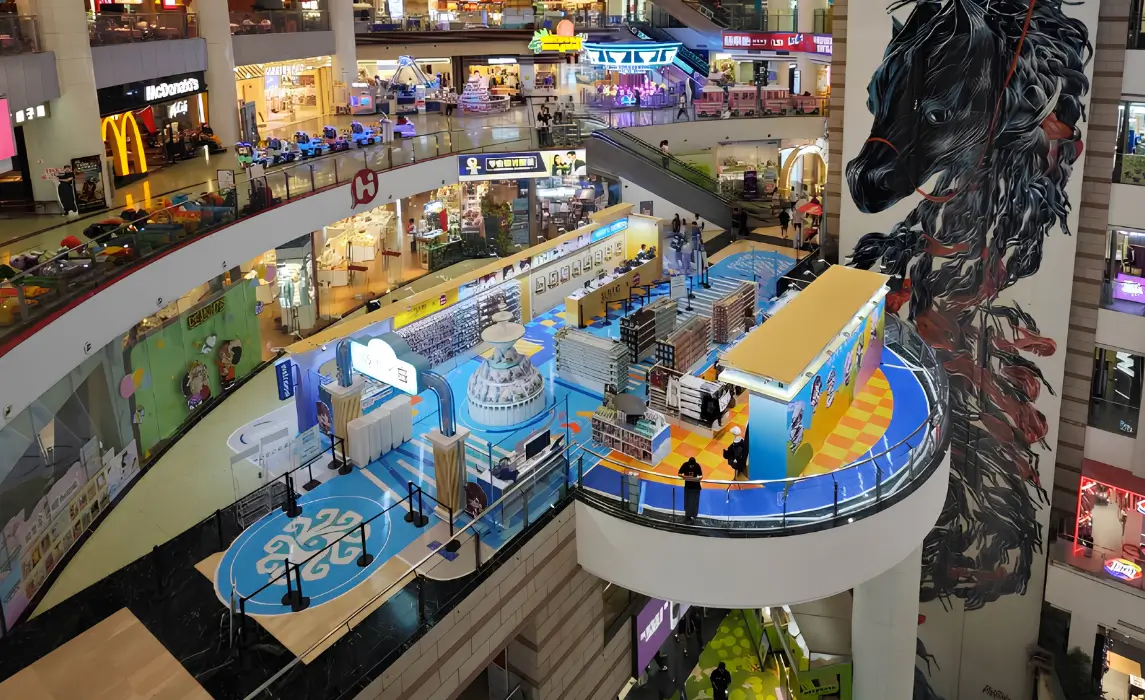
The five most talked-about malls in China each serve a different purpose: Shanghai IFC Mall (Lujiazui, Shanghai) for luxury shopping and imported groceries, Grandview Mall / 正佳广场 (Tianhe, Guangzhou) for a family day out with an aquarium and rainforest garden, The Mixc (Shenzhen) for high-end luxury with an ice rink, Onelink International Plaza (Haizhu Square, Guangzhou) for wholesale toys and gift shopping, and A.P. Plaza beneath the Science and Technology Museum metro stop (Shanghai) for bargained counterfeit goods and custom tailoring. Prices below are converted at $1 ≈ ¥6.7 (August 2026).
China doesn't really do "just a mall." Walk into any of the five places below and you'll find an aquarium, a rainforest, an ice rink, or an entire underground bargaining economy tucked between the escalators. Below is an honest, practical breakdown of each one: what it's actually good for, what to skip, and roughly what you'll spend.
What it's known for: international luxury brands, an Apple flagship store, and City'Super, Shanghai's best-known imported grocer.
Shanghai IFC sits at the heart of Lujiazui, directly connected to the metro, the Ritz-Carlton, and IFC Residence, so you can move between shopping, your hotel, and the subway without stepping outside once: genuinely useful during Shanghai's humid summers or winter drizzle. The mall itself is split into two towers joined by an overhead bridge, and the tenant mix leans hard into international luxury: Louis Vuitton, Chanel, Dior, Gucci, Prada, and a glass-cylinder Apple Store that's become a photo stop in its own right.
What sets IFC apart from Shanghai's other luxury malls is City'Super in the basement: a genuinely excellent imported grocer where you can pick up specialty cheeses, wine, and international snacks that are hard to find elsewhere in the city, making it one of the only malls in this list where you can combine a Chanel bag with your weekly grocery run. During the Christmas season, the central courtyard also gets a proper seasonal makeover with a Santa display that draws a steady stream of photo-takers, and the rooftop garden gives you an unobstructed view of the Pudong skyline without needing an observation-deck ticket.
Good to know before you go: the mall's loyalty/points program is widely reported as difficult to redeem, so don't expect much value from signing up in-store. Security is noticeably tighter here than at mid-range malls, which regular visitors read as a plus for a family day out.
What to budget: a coffee or bubble tea runs roughly ¥35–55 ($5–8); a sit-down meal at one of the upper-floor restaurants averages ¥300–600 per person ($45–90); luxury goods are priced in line with flagship stores worldwide, so don't expect mainland discounts. If you're just browsing, City'Super snacks and drinks are the cheapest way to enjoy the mall: most items run ¥10–40 ($1.50–6).
What it's known for: Grandview Aquarium (beluga whales, a mermaid show, and an underwater tunnel), a rooftop-level rainforest garden, and a full entertainment floor: making it the only mall on this list built around an actual aquarium and zoo-adjacent attractions rather than retail alone.
Grandview Mall in Tianhe is less a shopping center and more a stacked entertainment complex that happens to sell clothes. Ten storeys hold everything from budget fashion (Benlai, China's answer to Uniqlo) to a natural history museum, a go-kart track, an ice rink, and: on the upper floors: Grandview Aquarium, a full polar-marine exhibit with beluga whales, an underwater tunnel, and a mermaid show, something you genuinely won't find inside any other mall on this list, or arguably in the country.
The rainforest garden on roughly the 7th floor is the mall's quieter, underrated feature: a compact but well-maintained tropical space with live birds and small animals that's an easy 20–30 minute detour if the crowds downstairs get overwhelming. For families, this combination of retail, museum, and zoo-adjacent attractions under one roof is the mall's real draw: plan a full day, not a quick stop, since the layout has no clear directory and finding specific shops means walking the floors yourself.
Good to know before you go: weekends bring serious local crowds and long dinner queues (waits of 50–100 people per restaurant aren't unusual), so weekdays are far more pleasant if your schedule allows. Reviewers are split on the standalone Grandview Aquarium ticket: some find the ¥220 price ($33) steep for what's inside, especially if you've visited a major aquarium elsewhere, though the beluga whale exhibit tends to win people over. Combo tickets bundling the aquarium with the rainforest, ice world, and sports zone are often better value than paying for each separately. Skip the Lego customization counter unless you're prepared for a strict no-refund policy on unfinished builds.
What to budget: King's Baker pastries run ¥15–35 ($2–5) and are worth the visit on their own; Lingnan Food Street on the 5th floor is the best spot for regional Cantonese dishes at ¥30–80 per dish ($4.50–12); the aquarium and other paid attractions each run separately, so budget an extra ¥150–300 ($22–45) per attraction if you want the full experience.
Discover the best things to buy in Bhutan, from traditional handicrafts and textiles to unique souvenirs, local products, and meaningful gifts to take home.
Read MoreWhat it's known for: a heavily luxury-skewed tenant mix (Louis Vuitton, Dior, Tod's, Bottega Veneta) combined with an in-mall ice rink and a Grand Hyatt hotel attached to the complex.
This Shenzhen complex spans multiple connected buildings, phases, and a Grand Hyatt hotel, and is built almost entirely around luxury retail: Louis Vuitton, Dior, Tod's, Bottega Veneta, Celine, Montblanc: with noticeably fewer mid-range options than a typical Chinese mall. What distinguishes it from Shenzhen's other high-end centers is the combination of an ice-skating rink built directly into one of the food courts and a supermarket basement known specifically for its fruit selection, giving the complex an odd but appealing mix of five-star polish and everyday practicality.
The mall connects directly to the metro and sits close enough to Lo Wu that visitors coming from Hong Kong can be inside within about 20 minutes. Multiple reviewers independently called out the restrooms: bidets and individual hand dryers at every sink: as an unexpectedly nice touch for a shopping mall.
Good to know before you go: if you're after mid-range or budget brands, this isn't the mall for that: the tenant mix is skewed heavily toward premium and luxury, so bring the budget to match. Stone floors and quiet decor give it a calmer feel than Guangzhou's more chaotic malls, which regular visitors specifically appreciate if sensory overload is a concern.
What to budget: a coffee here runs ¥40–60 ($6–9); a full meal at one of the upscale restaurants averages ¥400–800 per person ($60–120); ice rink sessions at mall rinks in China typically run ¥80–150 ($12–22) including skate rental, though it's worth confirming current pricing on-site since it isn't always posted online.
What it's known for: being one of the few wholesale markets in Guangzhou where individual shoppers can buy single items at retail prices instead of needing to meet a bulk-order minimum.
Onelink (万菱广场) is a seven-plus-storey wholesale and retail complex near Haizhu Square, and it functions completely differently from the other malls on this list: almost every shop here sells both retail and bulk, prices are rarely marked, and negotiation isn't optional: it's the entire point. What makes Onelink genuinely useful, rather than just another market, is that individual travelers can buy single items at retail prices instead of being turned away for not meeting a wholesale minimum, which isn't always true of Guangzhou's other wholesale markets.
The plaza specializes in toys, home decor, stationery, kids' items, gift bags, and seasonal decorations (Christmas and Lunar New Year stock in particular), making it one of the better places in the city to source souvenirs or small business inventory in the same trip. It's a two-minute walk from Haizhu Square metro station (Lines 2 and 6), which makes it easy to combine with other nearby shopping stops.
Good to know before you go: most vendors accept cash only, English is limited outside a handful of shops, and international credit cards are rarely accepted: bring RMB. The food court is small, so eat before or after rather than planning a meal around your visit. Bulk buyers get noticeably better pricing than single-item shoppers, so if you're buying gifts for a group, consolidate your order at one stall rather than splitting it across several.
What to budget: small items (keychains, stationery, toys) typically run ¥5–30 ($0.75–4.50) after bargaining down from the initial asking price, which vendors often set two to three times higher than what they'll actually accept; homeware and decor pieces run ¥30–150 ($4.50–22); buying in bulk (10+ units) can cut per-item prices by 20–40%.
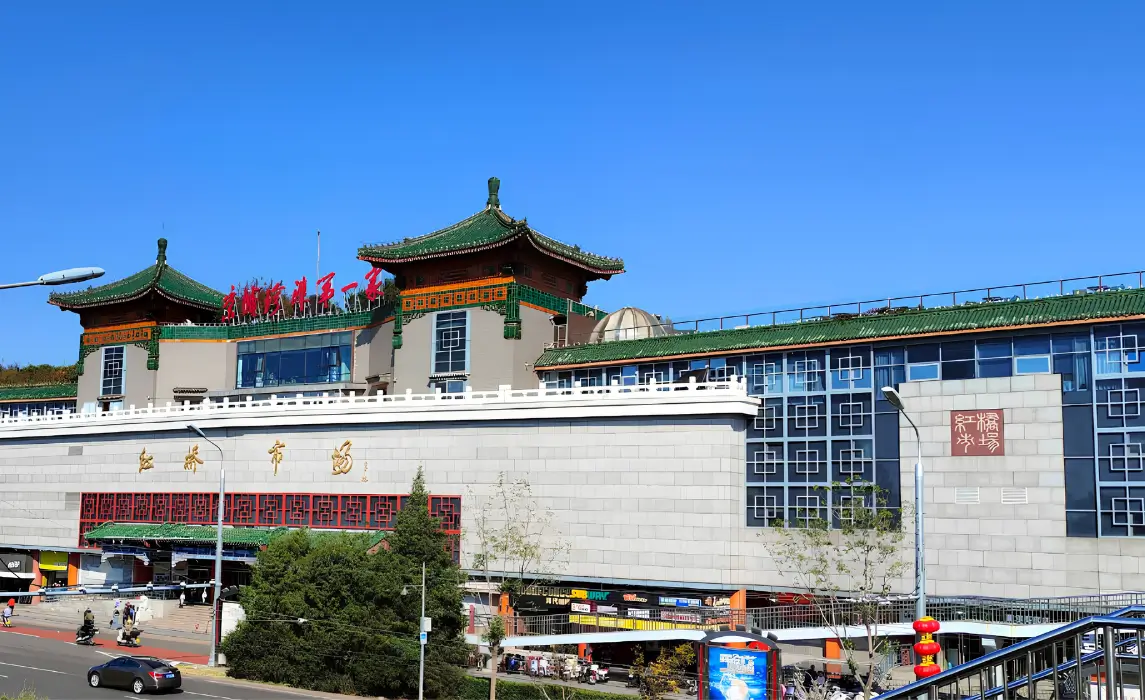
Explore the best places to shop in Beijing, from bustling markets and luxury malls to local stores. Discover what to buy, where to go, and shopping tips.
Read MoreWhat it's known for: being Shanghai's largest and best-known counterfeit-goods market, located directly beneath the Science and Technology Museum metro stop on Line 2.
Sitting directly beneath the Science and Technology Museum metro stop on Line 2, this underground maze of individually owned stalls is Shanghai's best-known market for counterfeit and inspired-by luxury goods: watches, bags, jackets, and accessories at a fraction of retail. What makes it worth visiting isn't really the merchandise; it's the bargaining itself, which longtime visitors describe as a genuine cultural experience rather than just a transaction. Vendors typically open at three to five times what they'll actually accept, and walking away: genuinely, physically leaving the stall: is often what triggers the real offer.
Unlike Onelink, this market isn't about wholesale volume; it's built for single-item tourist purchases, and the fully air-conditioned layout makes it a comfortable stop even in Shanghai's summer heat. Go early on a weekday if you want to bargain without a crowd pressing in around you.
Good to know before you go: be cautious with anything electronic: SD cards and similar items are frequently mislabeled for capacity, and there's no guarantee electrical goods work once you get them home. Hustlers stationed at the metro exit will try to steer you toward specific vendors who pay them a commission and typically charge more: politely ignore them and choose your own stall. Not everything here is fake; a few standout tailors (custom suits and shirts, made to order) have built genuine repeat followings.
What to budget: as a rule of thumb, expect to pay 10–30% of the vendor's opening price after negotiating. T-shirts typically settle around ¥45–50 ($7–7.50), jackets around ¥100–150 ($15–22), and bags around ¥120–200 ($18–30). If you're new to bargaining, bringing a photo of exactly what you want (rather than describing it) speeds up the process significantly and reduces the odds of a language-barrier markup.
No. Bargaining is only expected at Onelink International Plaza and A.P. Plaza, where prices aren't marked and negotiation is standard practice. Shanghai IFC Mall, Grandview Mall, and The Mixc are fixed-price retail environments, similar to malls in the US or Europe.
Grandview Mall in Guangzhou is the best choice for families. Its aquarium, rainforest garden, and ice rink give kids enough activities for a full day, which none of the other four malls on this list offer.
No. A.P. Plaza is widely known as Shanghai's largest counterfeit market, and visitors consistently confirm that branded items: watches especially: are fakes, even when the quality is convincing. Go for the bargaining experience and the tailoring, not for authentic branded goods.
Prices for branded luxury goods are essentially identical at both, since they follow global flagship pricing. The real difference is atmosphere and extras: IFC Mall offers City'Super grocery shopping and a rooftop skyline view, while The Mixc offers a quieter, less crowded layout and an in-mall ice rink.
Onelink International Plaza (万菱广场) near Haizhu Square is the most accessible option for individual buyers, since most vendors sell single retail units alongside bulk orders, unlike many wholesale markets that require a minimum quantity.
A standalone ticket runs around ¥220 (about $33). Combo tickets that bundle the aquarium with the rainforest garden, ice world, and sports zone are usually better value if you plan to visit more than one attraction.
<script type="application/ld+json">
{
  "@context": "https://schema.org",
  "@type": "FAQPage",
  "mainEntity": [
    {
      "@type": "Question",
      "name": "What age can children start practicing mindfulness?",
      "acceptedAnswer": {
        "@type": "Answer",
        "text": "Kids as young as 3 or 4 can begin simple mindfulness activities like breathing with a stuffed toy or noticing their five senses. The key is to keep sessions short, fun, and playful."
      }
    },
    {
      "@type": "Question",
      "name": "How does mindfulness help with focus and attention in kids?",
      "acceptedAnswer": {
        "@type": "Answer",
        "text": "Mindfulness teaches children to notice when their minds wander and gently bring their focus back. Over time, this strengthens attention spans and supports better concentration in school and daily tasks."
      }
    },
    {
      "@type": "Question",
      "name": "Can mindfulness reduce anxiety in children?",
      "acceptedAnswer": {
        "@type": "Answer",
        "text": "Yes. Research shows that mindful breathing, visualization, and grounding techniques can lower stress hormones, helping kids manage anxiety and emotional overwhelm in healthier ways."
      }
    },
    {
      "@type": "Question",
      "name": "What are some quick mindfulness activities for the classroom?",
      "acceptedAnswer": {
        "@type": "Answer",
        "text": "Teachers can try 1-minute breathing breaks, Spidey Senses, or a Mindful Moment Bell. These short practices help reset energy and improve classroom focus without disrupting lessons."
      }
    },
    {
      "@type": "Question",
      "name": "How often should kids practice mindfulness?",
      "acceptedAnswer": {
        "@type": "Answer",
        "text": "A few minutes a day is enough to see benefits. Consistency matters more than duration—try including mindfulness during morning routines, after school, or before bedtime."
      }
    },
    {
      "@type": "Question",
      "name": "What if my child can't sit still during mindfulness activities?",
      "acceptedAnswer": {
        "@type": "Answer",
        "text": "That's normal! Choose movement-based activities like yoga, mindful walking, or stretching. The goal is awareness, not stillness—children can learn mindfulness through active play, too."
      }
    },
    {
      "@type": "Question",
      "name": "How can mindfulness help children with ADHD or emotional regulation issues?",
      "acceptedAnswer": {
        "@type": "Answer",
        "text": "Mindfulness supports self-regulation by helping kids pause before reacting. It strengthens the brain's focus and calm centers, improving impulse control and emotional balance over time."
      }
    },
    {
      "@type": "Question",
      "name": "Are there mindfulness activities that don't require meditation?",
      "acceptedAnswer": {
        "@type": "Answer",
        "text": "Absolutely. Many child-friendly options like mindful coloring, the glitter jar, or emotion weather check-ins build mindfulness without formal meditation or silence."
      }
    },
    {
      "@type": "Question",
      "name": "How can parents encourage mindfulness at home?",
      "acceptedAnswer": {
        "@type": "Answer",
        "text": "Model calmness yourself, practice mindful breathing together, and weave it into everyday moments like brushing teeth, eating, or going for walks. Kids learn best by watching you."
      }
    },
    {
      "@type": "Question",
      "name": "What's the main goal of teaching mindfulness to kids?",
      "acceptedAnswer": {
        "@type": "Answer",
        "text": "The goal isn't perfection or constant calm—it's helping children recognize their thoughts and emotions with kindness, build focus, and respond to life's challenges with confidence and empathy."
      }
    }
  ]
}
</script>